







Female hair loss
Do you notice more hairs than usual on the brush, pillow or in the shower? Hair loss In women, it is much more common than many people think. It is often about gradual thinning of hair on the head, a condition commonly referred to as female pattern hair loss. Unlike men, women rarely lose their hair in clear patches or get a sharply backward hairline. Instead, the legs become wider, the hairs thinner, and the hair loses its volume.
If you want to know which treatments may suit you, you are welcome to book a consultation with us.

Symptoms of female hair loss
Differs from male pattern baldness
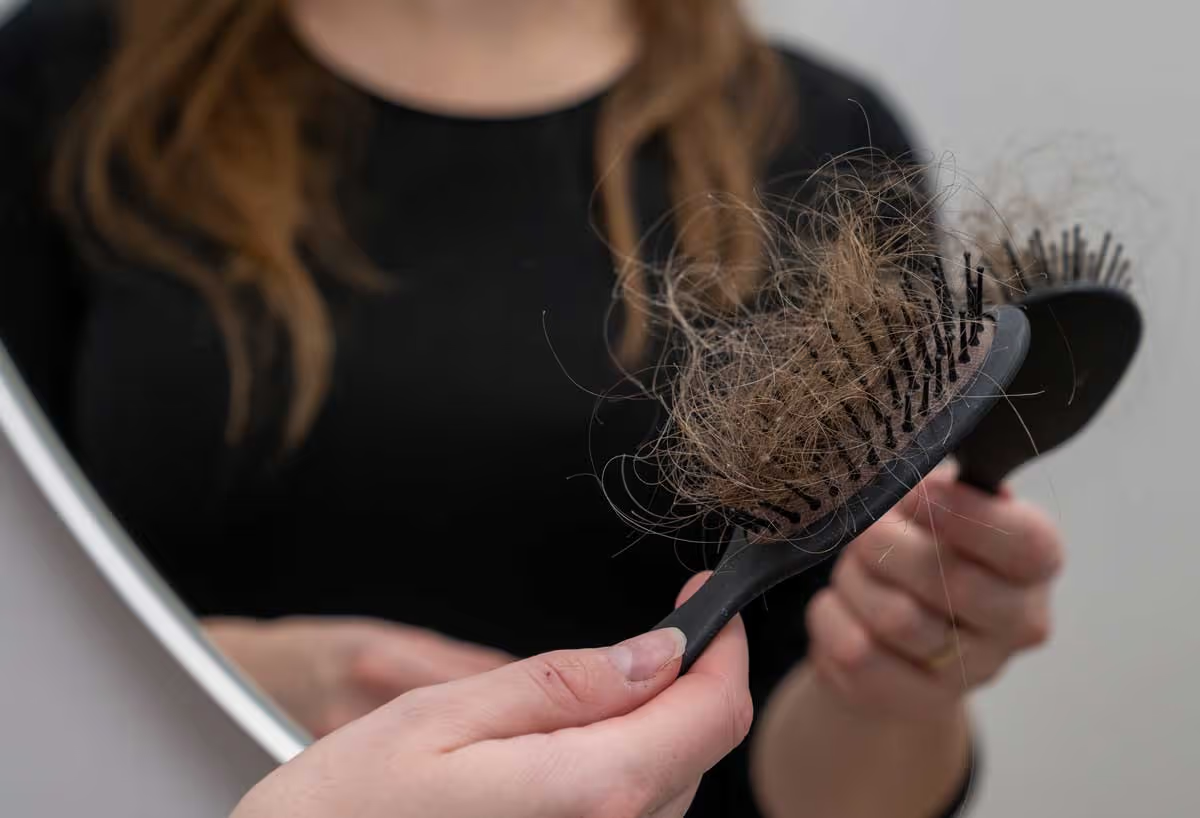
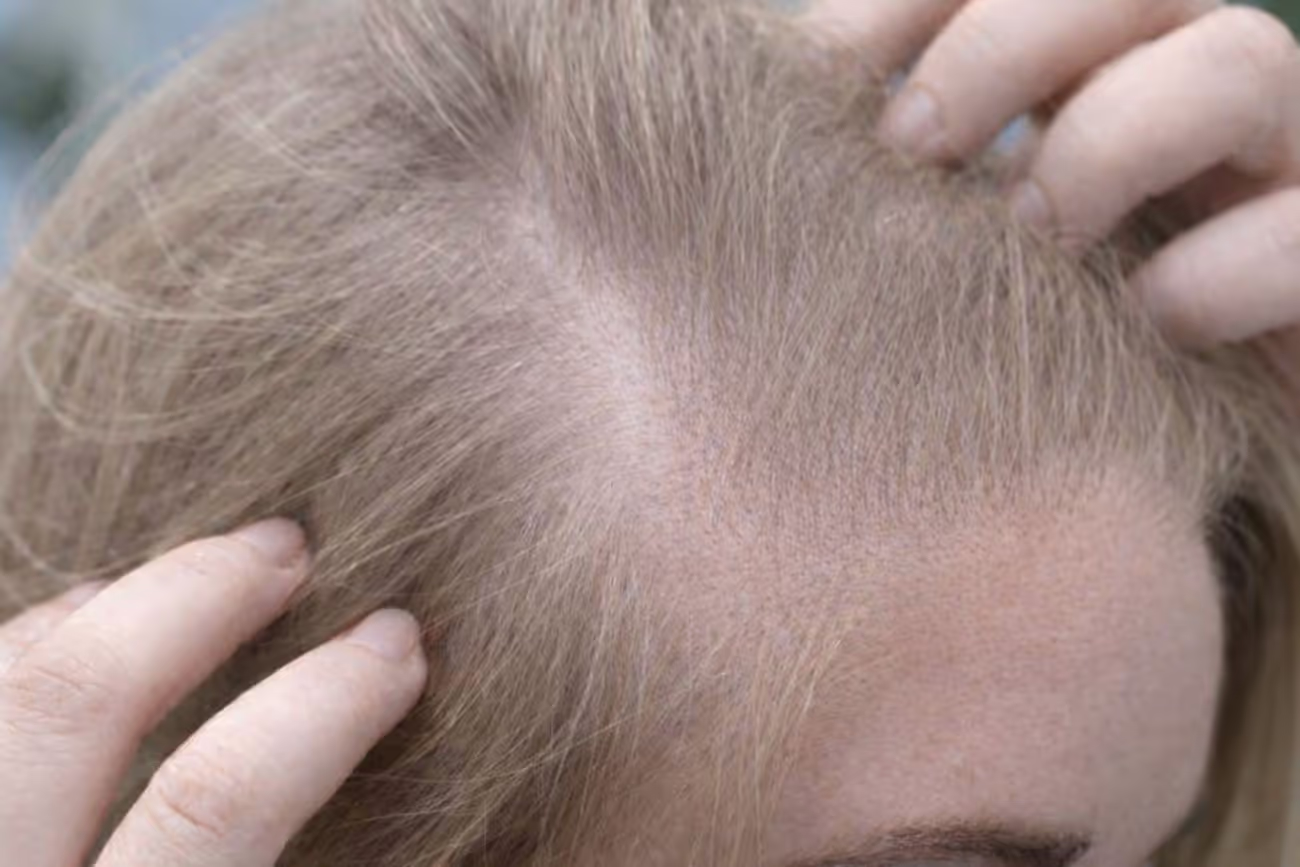
When women experience hair loss, it can manifest as increased amount of hair in the hairbrush, thinner hair along the midleg, or an increasingly visible scalp. Unlike men, women rarely suffer from patchy or complete hair loss, instead it often involves a general thinning of the hair over the entire top of the head or hairline.
How does hair loss manifest in women?
The most common sign is that the hair is thinned out over the head, often so that the legs gradually widen. Many people also notice that the tassel feels thinner or that more hair ends up in the shower and hairbrush.
First signs of female hair loss
- Hair feels thinner, especially at the legs or on top of the head
- You see more hairs in the brush, in the shower or on the pillow than before
- Hair grows more slowly or seems to have stopped in growth
- Your scalp begins to be seen more clearly through your hair
- Hair falls off more easily when washing or brushing
- Hair feels sparser when you pull your hand through it
- The hairstyle loses shape and volume faster than before
- Hair feels weaker and breaks more easily than before
Why do women lose hair?
Women lose hair for several reasons, mainly hormonal changes during pregnancy, after childbirth, and during menopause. Even stress, nutritional deficiencies, illness and heredity can affect hair growth. Hair loss often manifests as general thinning rather than spotty loss, and can be temporary or chronic. The most common reason that causes you to lose a lot of hair as a woman and suffer from hair loss is that it is in the genes.
Lifestyle factors can also play a role. Hard styling, frequent use of heating tools, chemical treatments or tight sets can weaken the hairs and, in the long run, lead to increased hair loss in women.
How common is female hair loss?
It is estimated that up to one in three women is affected at some point in their life. For many, it only becomes noticeable after the age of 30-40, but it can also be due to hormones, stress, illness or heredity.

Pregnancy and lactation
It is common for women to lose a lot of hair after pregnancy and breastfeeding due to hormonal changes in the body. In most cases, the hair loss is temporary and the hair usually returns to its normal growth phase after a few months.

Menopause
What female hormone deficiency causes hair loss? Estrogen deficiency is the most common hormone deficiency that causes hair loss in women, especially in the context of menopause when reduced estrogen levels cause hair to become thinner and lose volume.

Hormonal contraceptives
Contraceptives with hormones such as birth control pills can affect the body's hormonal balance and cause temporary hair loss in some women. It is especially common when changing or discontinuing contraceptives.

PCOS (polycystic ovary syndrome)
PCOS, a hormonal disorder with elevated androgen levels, can lead to female hair loss by affecting the growth cycle of hair follicles. This often results in thinner hair and increased hair loss in affected women.

Iron deficiency
What vitamin is missing in hair loss? Often it is iron that women are deficient in. Iron is necessary for the body to be able to produce hemoglobin, a protein in the red blood cells that carries oxygen to the hair, among other things. When iron levels are too low, hair follicles do not receive enough oxygen and nutrition, which can lead to more hairs entering their resting phase.

Thyroid gland disorders
What female hormone deficiency causes hair loss? The thyroid gland is a small gland and sits on the front of the larynx. Thyroid disorders, such as hypothyroidism or hyperthyroidism, can cause diffuse or spotty hair loss for women. When the hormonal balance is affected, the hair growth cycle is disrupted and the hair often becomes thinner all over the head.

Hair loss as a young woman
Hair loss in young women is uncommon but can occur as a reaction to stress, hormonal changes, or nutritional deficiencies. When a young woman experiences hair loss, it is often the body's response to external or internal changes, such as intense lifestyle stress, hormonal imbalance or lack of essential nutrients.
Do you feel that you
- There is treatment for female hair loss
- Female hair loss is often hereditary
- You may experience hair loss as a woman when you are young
Hair loss as an older woman
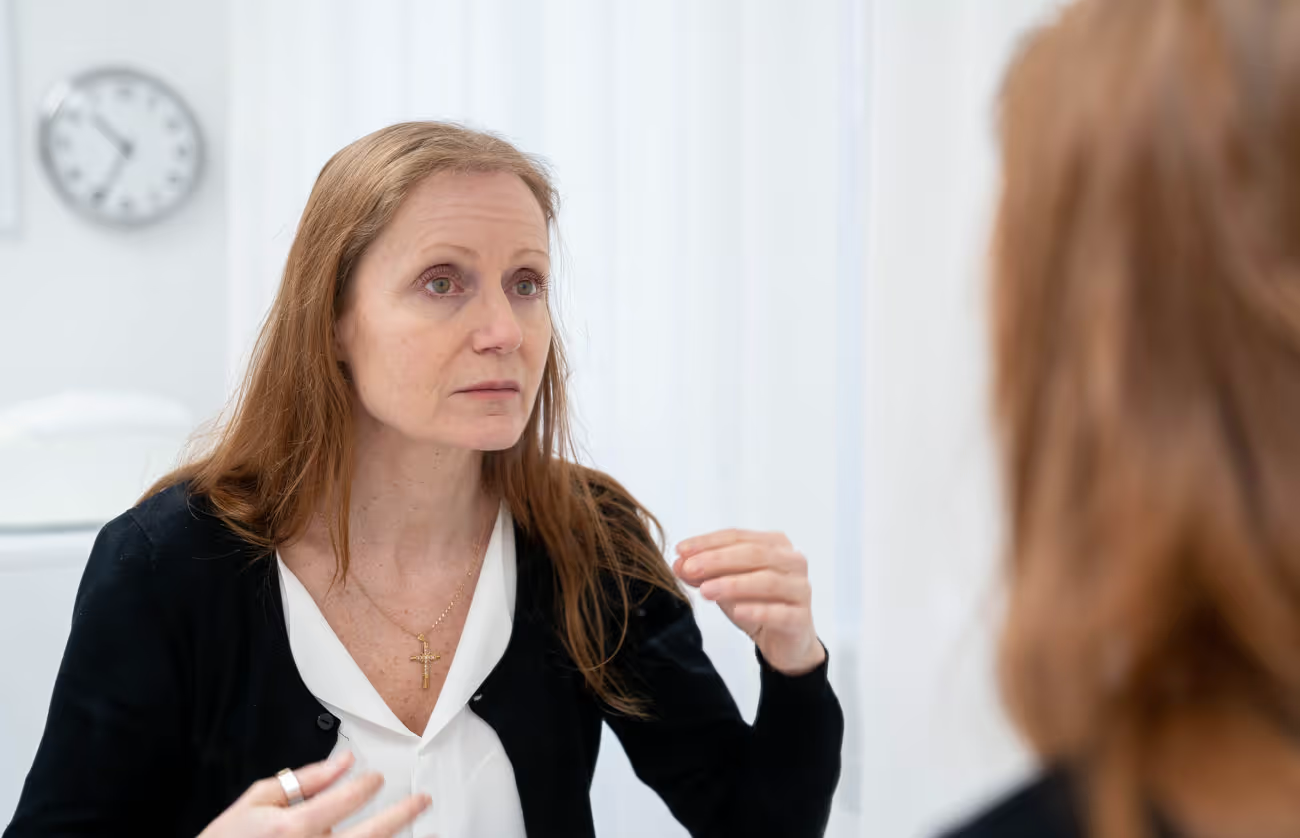
Hair loss in older women is often due to hormonal changes in menopause, decreased estrogen levels, and hereditary factors. Hair becomes thinner, grows slower, and may feel more brittle with age. Age-related hair loss usually debuts after the age of 50 and affects about 2-3 out of 10 women.
Understanding and Treating Hair Loss in Older Women
Can older women also suffer from hair loss? Hair loss in older women can affect self-esteem and quality of life, as hair is often seen as an important part of one's identity. Experiencing hair loss as an older woman can be emotionally stressful, especially since thinning hair and reduced hair growth can significantly alter one's appearance. Come in for a consultation and we will help you with your hair loss as a woman!
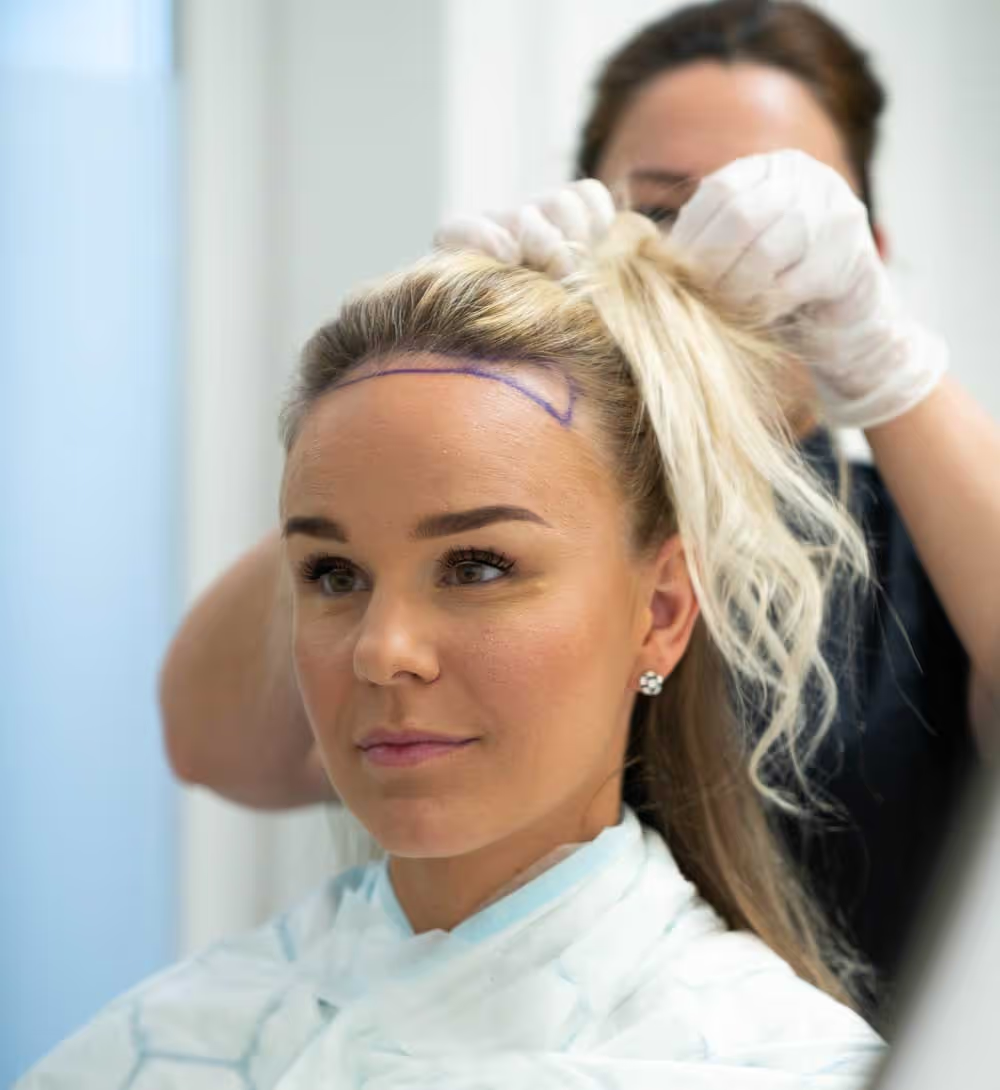
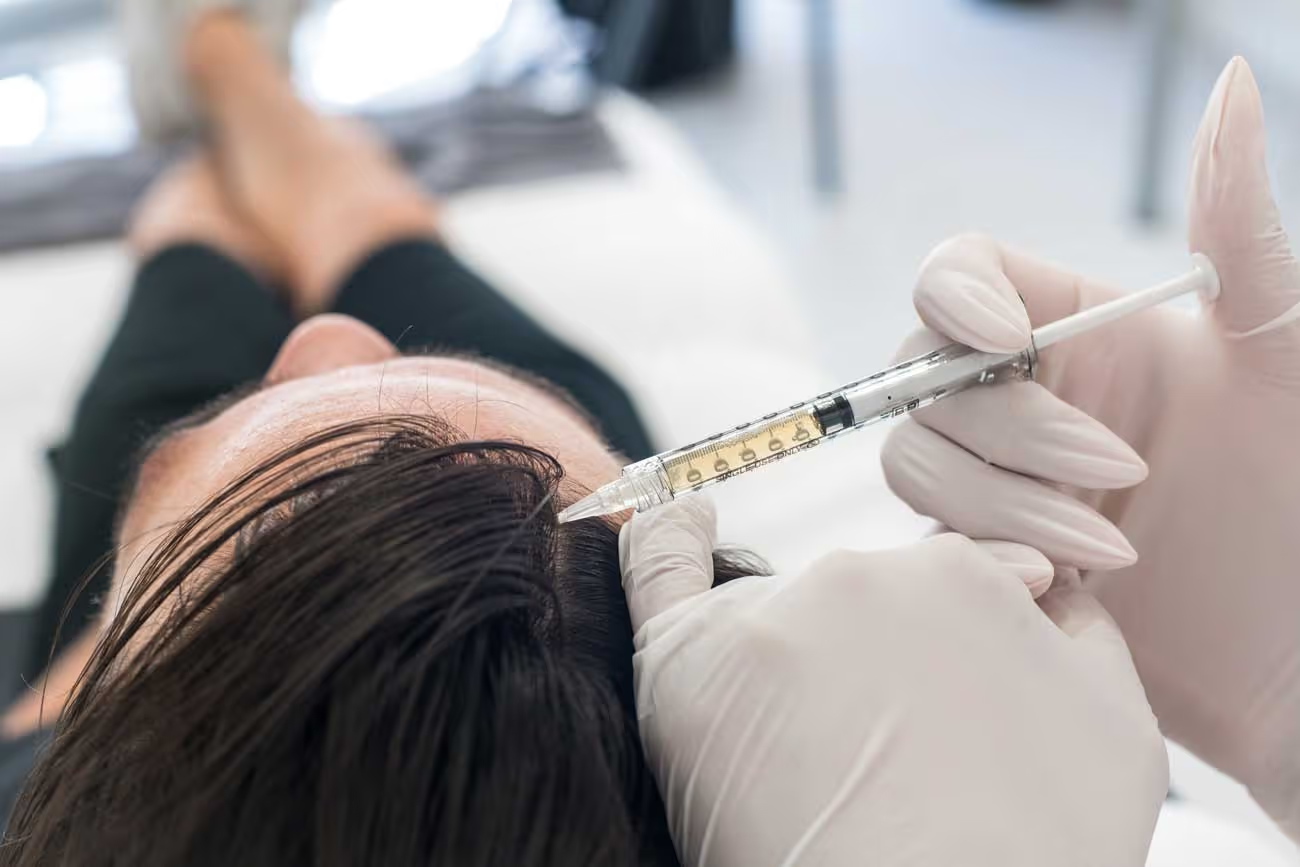
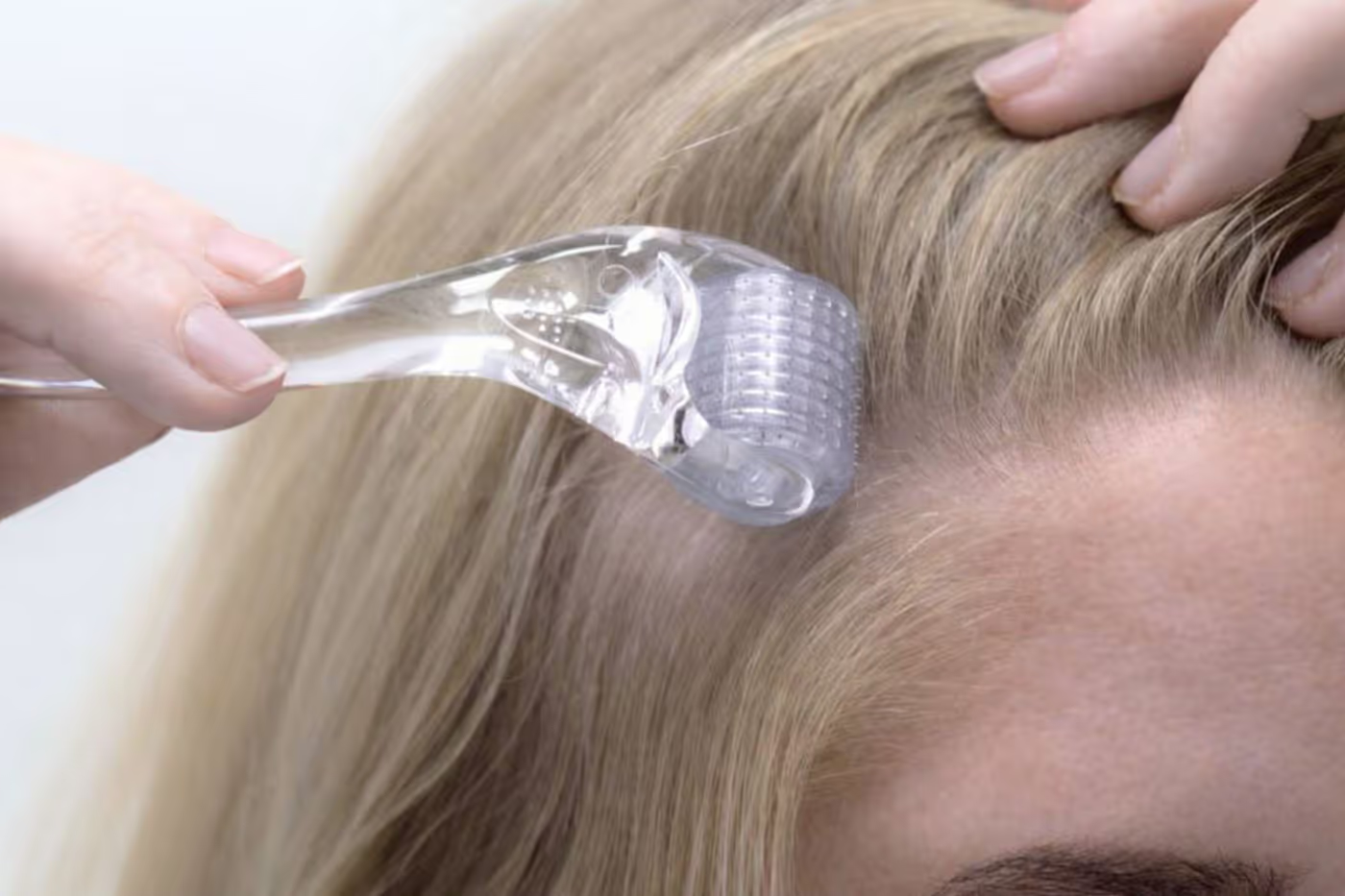
Treatments for female hair loss



.avif)
When to seek care
It can sometimes be difficult to know when hair loss needs medical help. Here are some situations where it is wise to contact health care to get a safe and professional assessment.
- When hair loss comes suddenly or increases rapidly.
- If you experience itching, redness, sores or pain in the scalp.
- In case of suspected hormonal changes, for example after pregnancy or during menstrual disorders.
- When hair loss affects your well-being or your everyday life.

Prevent hair loss with self-care and lifestyle
While there is effective help to get, there is also a lot you can do yourself to counteract hair loss as a woman.
Diet, sleep and stress management
- Eat a nutritious and balanced diet
- Consider taking extra supplements of biotin, B12, and iron if needed
- Sleep properly and reduce stress in everyday life
Gentle hair care ocstyling habits
- Avoid excessive heat treatment and harsh chemicals
- Avoid tight hairstyles that tear on the hair because it can lead to hair loss
- Massage the scalp regularly to increase blood circulation
Want to know more about female hair loss? Read about the most popular hairstyles for women with thin hair.

Against the stigma of female hair loss
It's not just men who lose hair, many women suffer from hair loss and thinness at some point in their lives.
The Feel Like You Project (FLY), an initiative of Nordic Hair Clinic, started in autumn 2022. We listened to 11 women's stories about hair loss and gave them hair transplants that would help them regain their confidence. Together, we remove the stigma of female hair loss -- one woman at a time.
Frequently Asked Questions
Är kvinnligt håravfall alltid progressivt?

Kvinnligt håravfall är inte alltid progressivt utan beror på orsaken. Tillfälligt håravfall, som kan uppstå vid stress, hormonförändringar eller näringsbrist, kan växa tillbaka när balansen återställs. Ärftligt håravfall hos kvinnor är däremot en progressiv process där håret gradvis blir tunnare över tid, men utvecklingen kan ofta bromsas med rätt behandling.
Can estrogen deficiency cause hair loss?
Estrogen deficiency can cause hair loss, especially in women in menopause or after pregnancy. The hormone estrogen has a protective effect on the hair follicles and helps to prolong the growth phase of the hair. When levels drop, hair can instead enter resting phase more quickly, leading to thinner hair and increased hair loss. Treatment and lifestyle changes can in many cases alleviate the discomfort and help the hair recover.
Can women use finasteride against hair loss?
No, finasteride is not recommended for women, especially for pregnant women or those planning to become pregnant, as the drug may affect fetal development. For women, there are other treatment options for hair loss, such as minoxidil or PRP treatments.
Can you get your hair back from female hair loss?
Female hair loss can have various causes and whether the hair can grow back depends on the type it is about. In the case of temporary hair loss caused by stress, hormonal changes or nutritional deficiencies, the hair can often recover when the balance in the body is restored. Hereditary hair loss in women (androgenetic alopecia), on the other hand, is more prolonged and involves a gradual thinning of the hair. In these cases, it is not always possible to restore all hair naturally, but there are effective treatments that can slow hair loss and stimulate new growth, such as our hair treatment, medicines or hair transplantation.
How do I know if my female hair loss needs treatment?
If you notice that you are losing a lot of hair as a woman or experiencing female hair loss that is unusual for your age or situation, you should seek professional advice. It is especially important if you have other symptoms such as fatigue or skin changes, as these may be signs of underlying health problems.
We at the clinic are externs on various types of hair loss. Welcome to us for a free consultation!
What is best against hair loss in women?
Treat female hair loss
The best way to treat female hair loss depends on the cause of hair falling out. Common causes of hair loss in women include hormonal changes, genetics, stress, nutritional deficiencies, or medical conditions such as thyroid disorders. For women who lose hair, there are several treatment options, including hair treatment, hair transplantation, dietary supplements, and in some cases drugs such as minoxidil.
Why do I lose hair as a woman?
There are several reasons why women lose hair. Common factors are hormonal changes such as pregnancy, menopause or estrogen deficiency. Even stress, nutritional deficiencies, illness or certain medications can lead to temporary hair loss. However, the most common long-term cause is hereditary hair loss (androgenetic alopecia), in which the hair becomes progressively thinner over time. To understand why exactly you are experiencing hair loss, a medical investigation can be important, and there are treatments that can slow down the process and, in many cases, stimulate new hair growth.
DFo you want to know more?
Medical References

BOOK CONSULTATION
Your hair journey begins with a conversation
Free consultation — no obligation, just a first step towards understanding what's right for you. Choose the clinic that suits you best.
