Menopause is a natural part of aging, just as hair can become gray and thin over the years. In most women, menopause occurs around the age of 50 and is characterized by the gradual decrease in ovarian production of sex hormones, especially estrogen and progesterone. This hormonal adjustment affects the entire body and can cause symptoms such as hot flashes, mood swings, weight gain, sleep problems, and hair loss in women. But why do you get thin-haired when you get older?
As we get older, levels of estrogen and progesterone drop, and low estrogen can cause hair loss by disrupting the hair's natural growth cycle. Hair grows more slowly and more hair follicles enter the resting phase, which is why hair becomes thin in menopause. For many women, hair loss is noticeable already in premenopause.


During menopause itself, hormonal changes continue, further affecting the balance of the body. When estrogen levels decrease, it becomes more difficult for hair to maintain its density and quality. The natural growth cycle of the hair is disrupted: more hair follicles enter the resting phase, while the growth phase is shortened, resulting in a visibly increasing hair loss.
At the same time, the hormone testosterone becomes more prominent in the body, although its levels do not necessarily increase, this hormonal imbalance can also contribute to increased hair growth on other parts of the body, such as the chin or upper lip. Not all women notice this
For many women, hair loss begins already in premenopause, the period before the last menstruation. During this time, gradual hormonal changes take place, most importantly, a decrease in estrogen production. Estrogen plays an important role in the hair growth cycle, as it helps to prolong the so-called growth phase and delay both the transition and rest phases. When levels drop, the effect becomes the opposite: the growth phase is shortened, the resting phase lengthens, and more hair follicles transition more quickly into hibernation. This causes hair to become thinner, grow slower, become dry and more strands fall off than normal.
Menopause can also mean increased stress, nutritional deficiencies or the influence of genetic factors, which can further amplify hair loss.
The symptoms of hair loss that occur during menopause are rarely about completely bald patches, but rather a general feeling that the hair has become thinner and weaker.

If you experience hair loss during menopause, it is important to first get a medical examination to rule out other causes such as vitamin deficiency or thyroid disorders. In the case of confirmed hormone-related hair loss, there are several treatment options that can slow hair loss and strengthen the hair.

Hormone therapy with estrogen and/or progesterone can reduce hair loss and relieve other menopausal complaints.
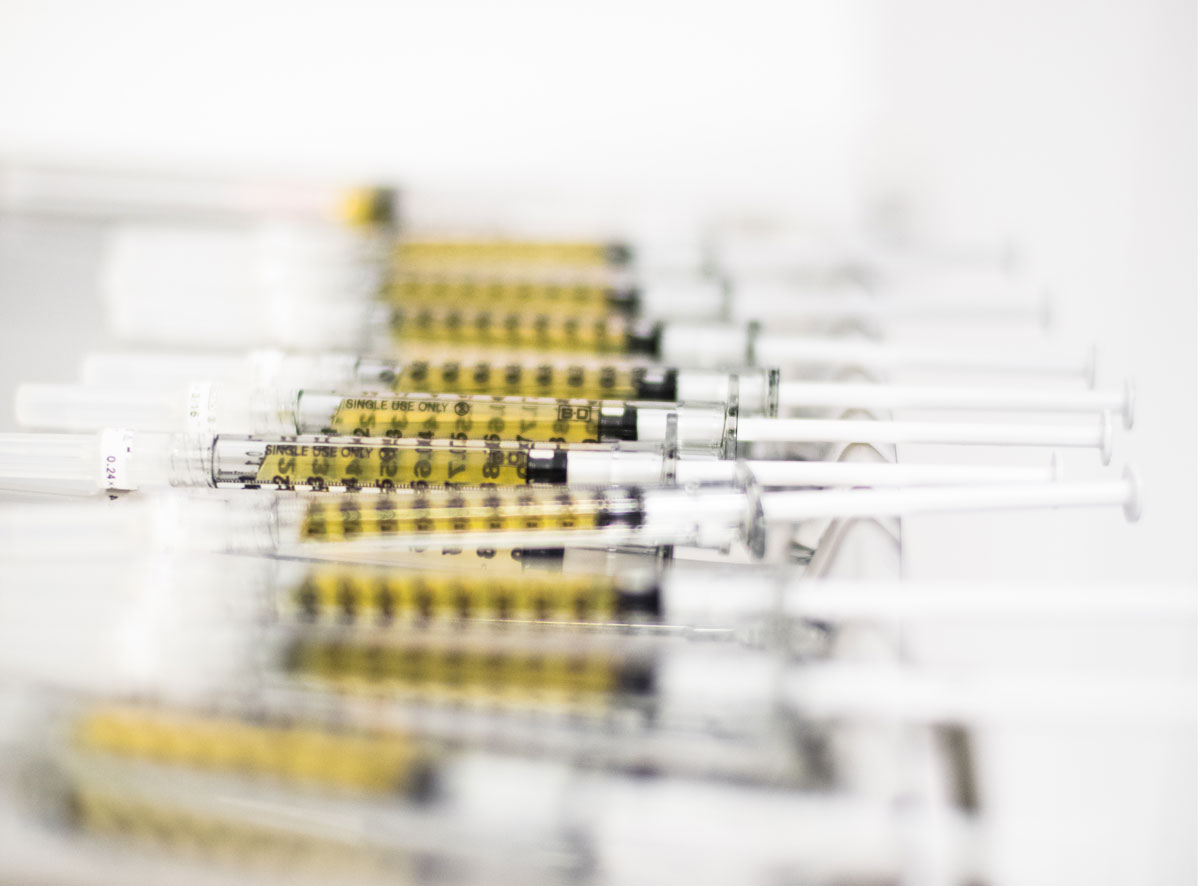
A natural treatment in which your own blood plasma is injected into the scalp to stimulate the hair follicles.

An over-the-counter drug that is applied directly to the scalp to increase blood circulation and stimulate hair growth.
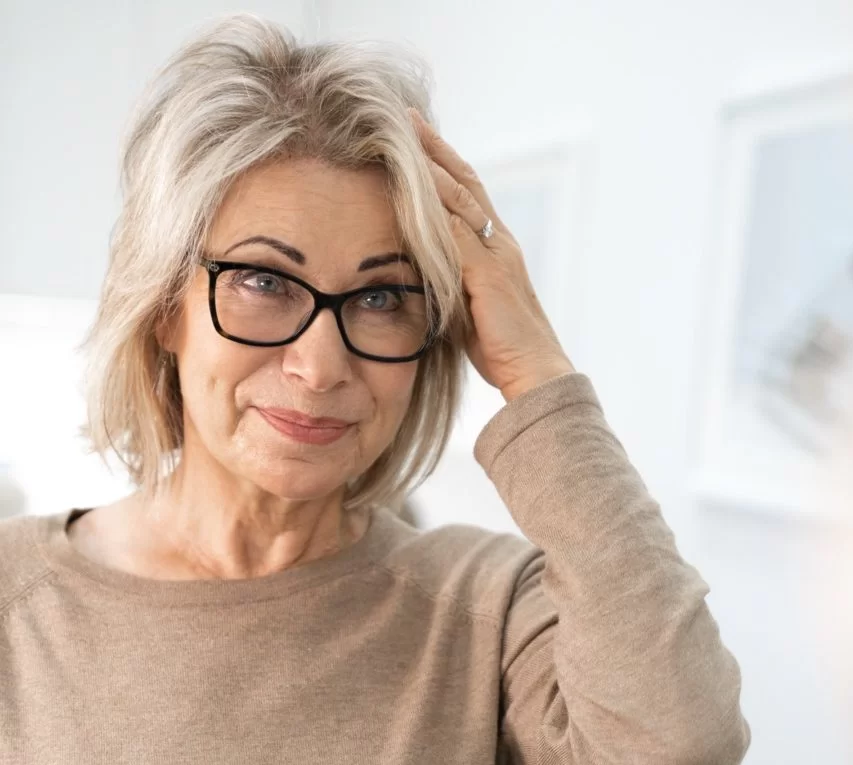
To protect the hair you have, it is important to be careful in your hair care. Avoid styling products with harsh chemicals and instead opt for gentle shampoos and conditioners with natural ingredients that strengthen the hair from the outside. Minimize the use of heating tools and bleaching agents, as these can make hair more brittle and increase the risk of hairs breaking off. Switching to a softly styled hairbrush, like a Wet Brush or a wide-toothed comb, is a simple but effective change.
These tools reduce wear and tear when brushing and help preserve more of the hair that remains.
Want to know more about styling for thin hair? read about the mes popular Hairstyles for older women with thin hair.
Here you can see the most common questions about hair loss and menopause.

Yes, it is possible for hair to grow back after menopause and thus become thicker, but this depends on several factors. When the hormonal balance stabilizes after menopause, some women may notice an improvement in hair growth, especially if the hormonal hair loss was temporary. However, because menopause can affect the sensitivity of hair follicles to dihydrotestosterone (DHT), which can cause hair loss, it is not guaranteed that all hair will grow back.
During the transitional age, both perimenopause and menopause, many women experience that their hair becomes progressively thinner rather than having distinct hairless parts. It can manifest as wider legs, a general decrease in hair density, and more hair than usual loosening — especially when washing or brushing it.
You can start losing hair in menopause associated with the transitional age, usually between the ages of 45 and 55, when hormonal changes such as decreased estrogen levels affect the hair follicles.

BOOK CONSULTATION
Free consultation — no obligation, just a first step towards understanding what's right for you. Choose the clinic that suits you best.