







Causes, symptoms & treatments for male hair loss
Hair loss in men is caused primarily by androgenic alopecia, a genetic susceptibility to DHT (dihydrotestosterone) which causes hair follicles to shrink and leads to thinner hair. This can start as early as adolescence and becomes more common with age.
There are effective ways to slow male hair loss and in some cases even stimulate new hair growth; here we go over causes, early signs and options for a fuller hair.


Symptoms of hair loss in men
All people lose between 50-150 hairs per day, but if you lose more than that, it is considered hair loss (also called alopecia). Men's hair loss can manifest itself in different ways but usually it occurs gradually over several years with, for example the bays go up. The development of male pattern baldness is often described using the Norwood scale, which divides hair loss into different stages depending on how the hairline and scalp change over time. The scale is used both clinically and informally to assess how far hair loss has progressed.
Common Signs of Male Hair Loss
- The hairline is longer at the back than before
- Your Bays Creep Upward
- You start to see bald spots, often on the head
- Hair at the temples gradually becomes thinner
Common causes of male hair loss
Why do men become thin-haired? Thin hair in men is very common. But there may be more reasons, especially if you suddenly lose a lot of hair. Here are the most common reasons why men lose hair.

Male hereditary hair loss (androgenic alopecia)
Over 70% of all men experience male hereditary hair loss at some point in their lives. It is by far the most common form of hair loss for men and is caused by a genetic sensitivity to the hormone Dihydrotestosterone (DHT).
Male hair loss is often inherited, if your father or grandfather became thin-haired at an early age, the risk is greater that you will also be affected. The condition can start as early as your 20s, but in some cases it becomes noticeable as early as adolescence. Hereditary male pattern baldness follows a clear pattern, often with receding hairline and thinner hair on the head. Despite the condition being hereditary, there are effective treatments that can slow development and stimulate new hair follicles, especially if inserted early.

Dihydrotestosterone (DHT) and testosterone
Does testosterone lead to male hair loss? DHT is a hormone formed when testosterone is converted in the body, which it does in both men and women. However, because the output is often much greater for men, they are affected more than women do.
The hormone contributes, among other things, to men's increased body hair and beard during puberty, but it can also contribute to hair loss later in life, especially in the case of male hereditary hair loss.The hairs become affected by gradually weakening and shrinking by the hormone. The longer a hair follicle is exposed to, the more it shrinks. It leads to the fact that the hairs become shorter and thinner, resulting in thinning hair. The hormone also causes the hairs to more quickly enter a resting phase, where they become fewer, thinner and shorter
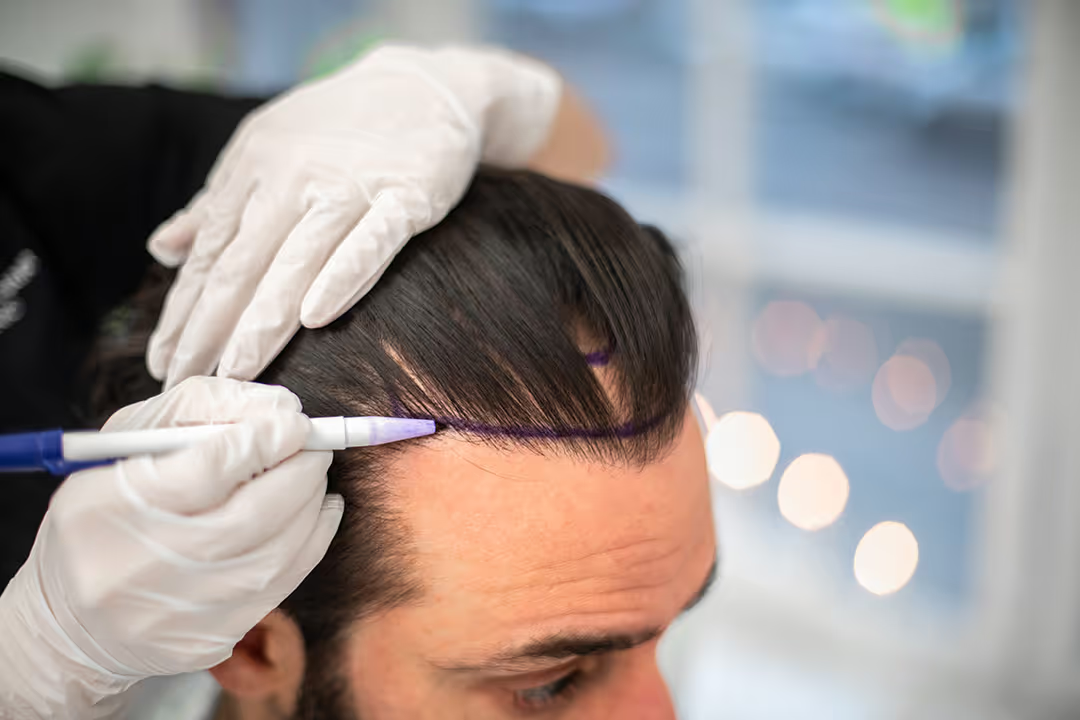
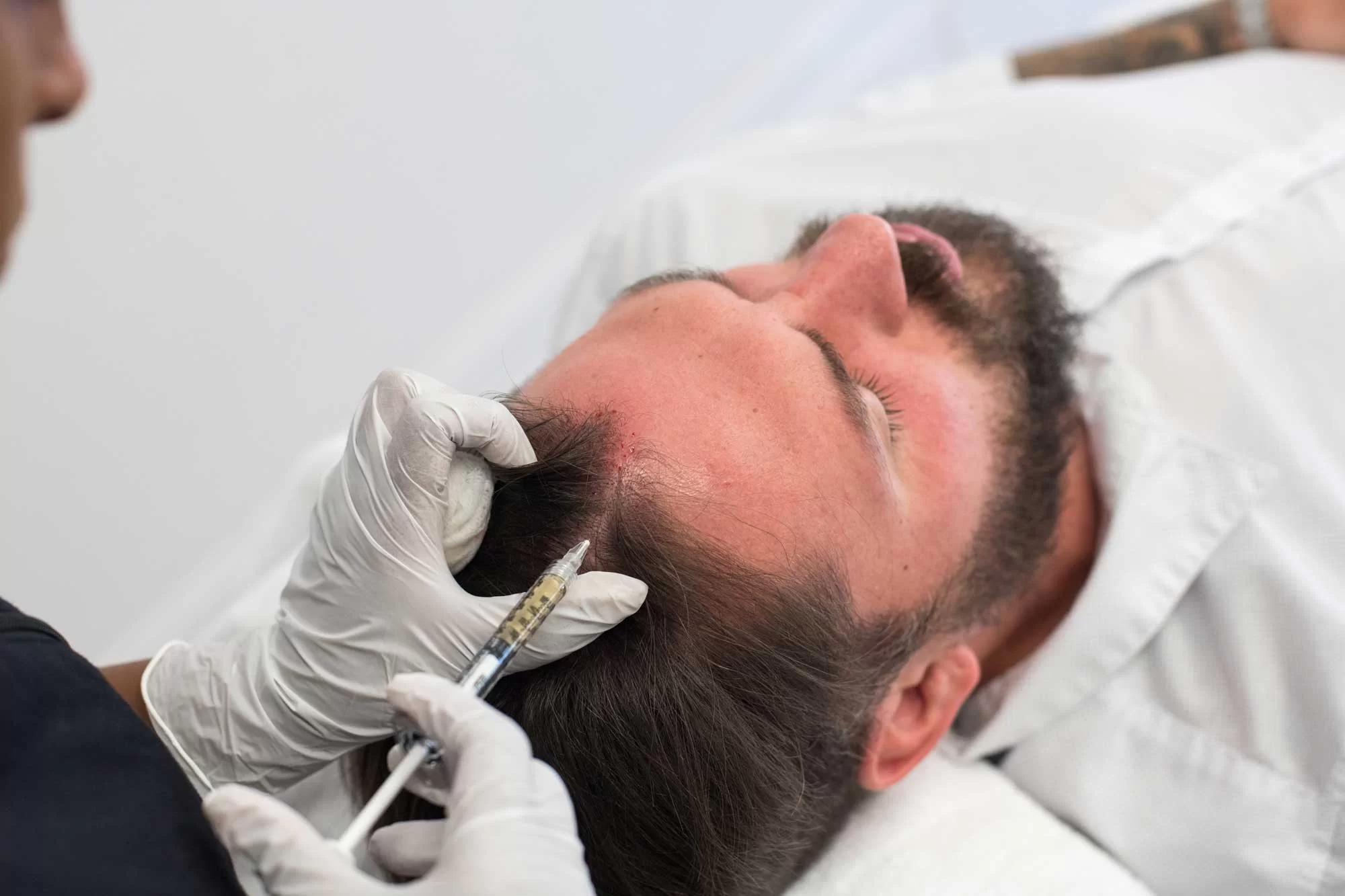
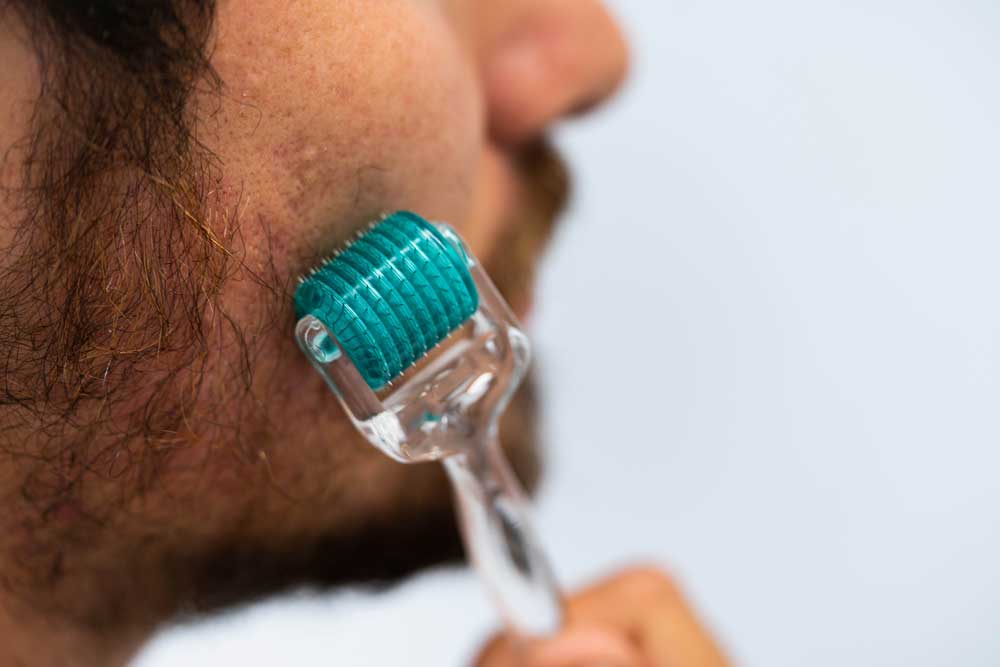
Treatments for male hair loss
.jpg)


Questions and answers about hair loss in men
Here you can see the most common questions that many men wonder about.
At what age do men lose hair?

Men may begin to lose hair as early as their 20s and 30s, but hair loss becomes more common after age 40. Hereditary hair loss (androgenic alopecia) can start early and worsen over time.
What are the first signs of male pattern baldness?
The first signs of male pattern baldness include:
- Folding hairline, often in the form of an “M” shape.
- Thinning hair on the head.
- Increased hair loss in the shower or on the pillow.
- If you experience these symptoms, it's a good idea to start a treatment for hair loss in men as early as possible.
What causes hair loss in men?
Male hair loss, also known as androgenic alopecia, affects up to 50% of men over the age of 50. It is caused by genetic and hormonal factors, especially sensitivity to DHT (dihydrotestosterone). Typical signs include receding hairline and thinning hair on the scalp. Treatments such as minoxidil and finasteride can slow hair loss and promote regrowth. For lasting results, hair transplantation can be an effective option.
What helps against hair loss in men?
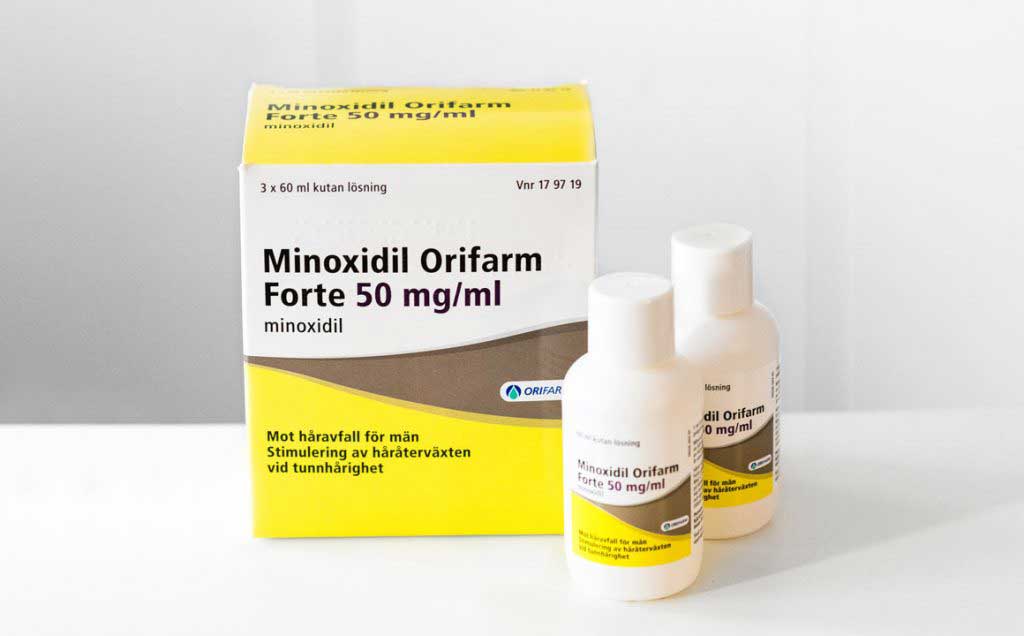
To cope with hereditary hair loss in men, there are over-the-counter drugs with minoxidil that can slow down the course and stimulate hair growth, which are sold in pharmacies. In addition to heredity, other causes such as stress, vitamin deficiency or medication side effects may be behind hair loss and require consultation with the health care provider for investigation and treatment. Alternative and complementary approaches such as lifestyle changes, a balanced diet and advanced treatments such as our hair treatment can also be helpful.

BOOK CONSULTATION
Your hair journey begins with a conversation
Free consultation — no obligation, just a first step towards understanding what's right for you. Choose the clinic that suits you best.
