DHT, or dihydrotestosterone, is a male sex hormone that plays an important role in the body, both during fetal development and later in life. It is formed as a byproduct of testosterone by an enzyme called 5-alpha reductase. DHT is a stronger form of testosterone and is classed as an androgen, thus a hormone that contributes to male traits such as deep voice, increased muscle mass and body hair.
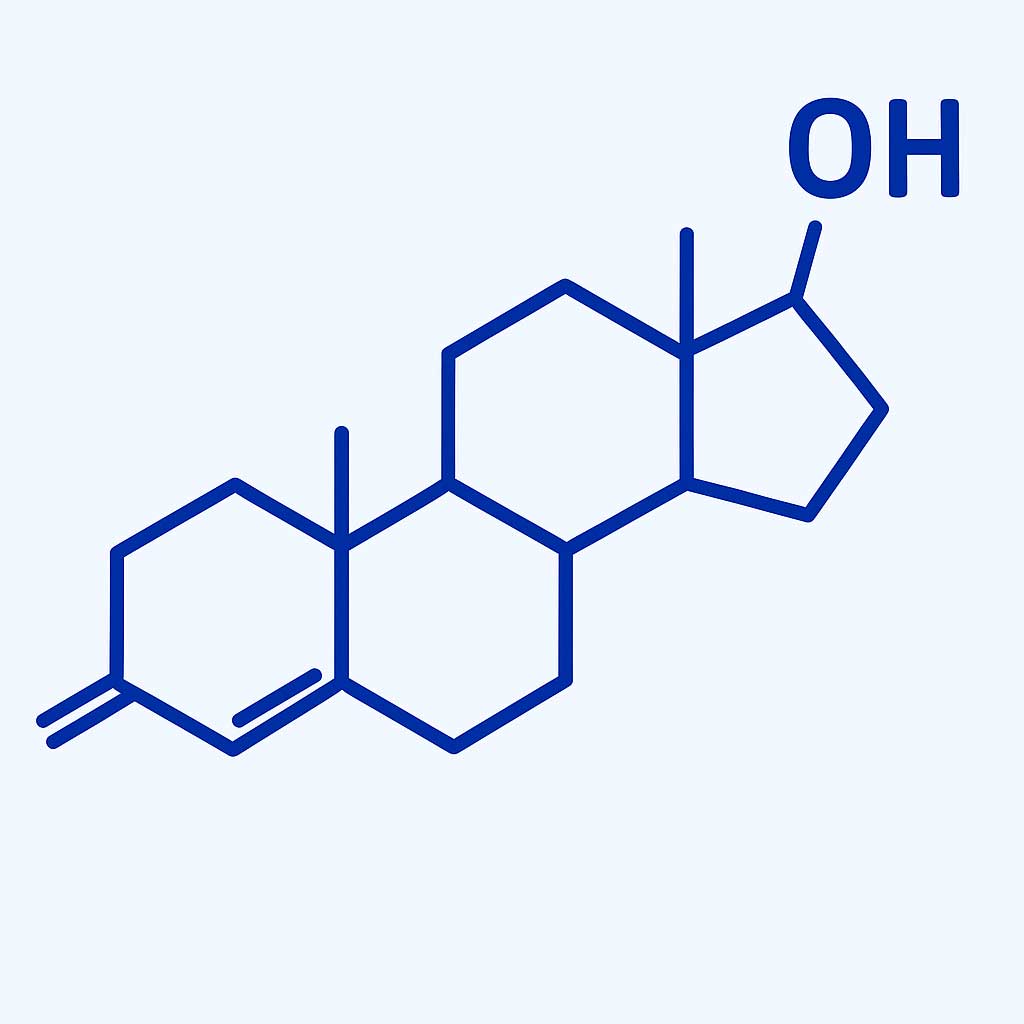

Dihydrotestosterone (DHT) is a hormone that can shrink hair follicles and cause androgenic hair loss in both men and women. Men often suffer from thinning hair on the head and receding hairline, while women usually get a diffuse thinning across the head with no impact on the hairline.
Hair loss of DHT, also called androgenic alopecia, is a common form of hair loss in men and women. DHT (dihydrotestosterone) is a hormone that shrinks hair follicles, leading to thinner and shorter hairs. Common treatments for DHT-related hair loss include minoxidil and finasteride, which can slow down hair loss and promote hair growth. Lifestyle changes and supplements that block DHT can also be effective.
DHT also shortens the growth phase of the hair over the years, which means that each hair has a shorter life span. This leads to the fact that the hairs become thinner and shorter, as well as decrease in number. These factors together contribute to a noticeable thinning of the hair.

Male hereditary alopecia, also called androgenetic alopecia, is the most common form of hair loss in men and the testosterone plays a central role in the process. In genetically susceptible people, DHT binds to receptors in the hair follicles, especially in the temples and on the head. This causes the hair follicles to shrink over time, causing the hair to become thinner, grow more slowly, and eventually stop growing altogether. The result is a gradually receding hairline or a bald spot on the head.
There are several effective treatments for DHT-related hair loss — from medications to treatments that restore density where the hair has already disappeared. The choice depends on how far the hair loss has gone and what result you want to achieve.
.jpg)
There are medications that reduce the effect of DHT, so-called DHT blockers. Drugs containing the substance Finasteride inhibits the aforementioned enzyme (5-alpha-reductase) that causes testosterone to form DHT. This then leads to reduced hair loss.
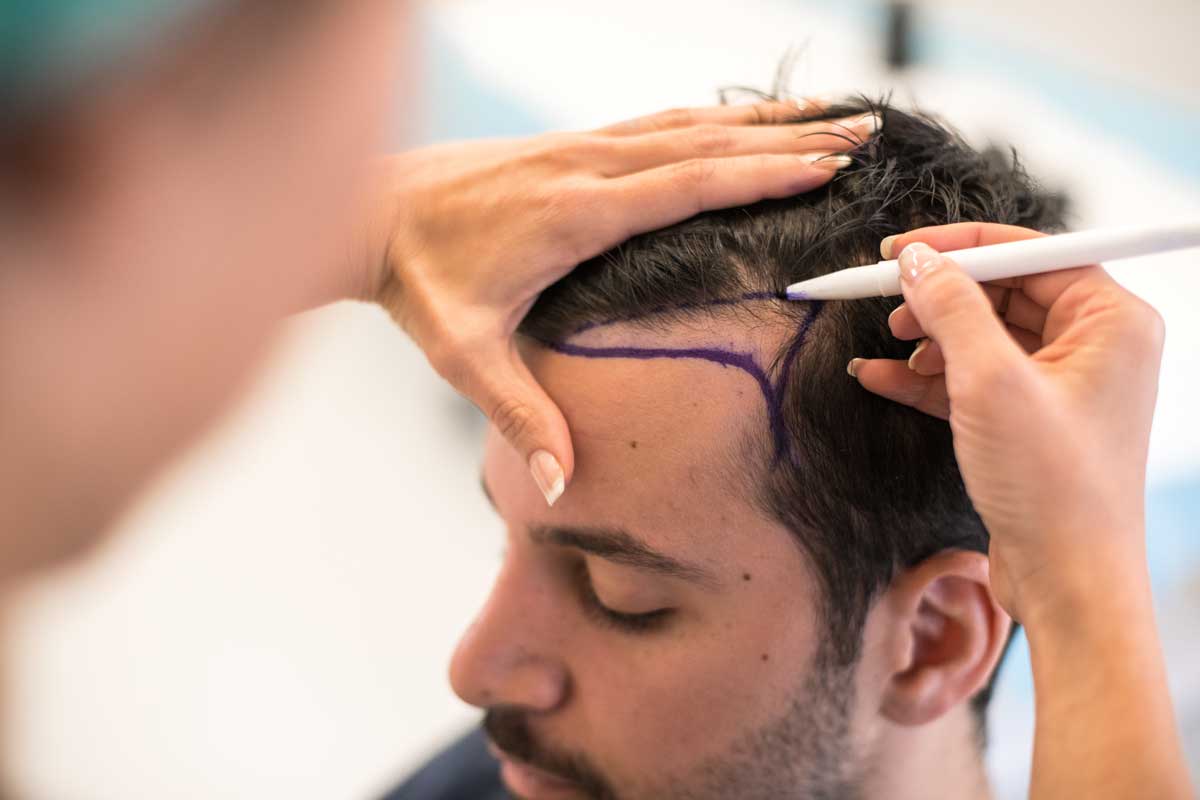
The hair follicles in the neck, on the other hand, are naturally resistant to DHT. In a hair transplant, these resistant hair follicles are moved to thin or bald areas, where they continue to grow permanently and produce a natural, long-lasting result.
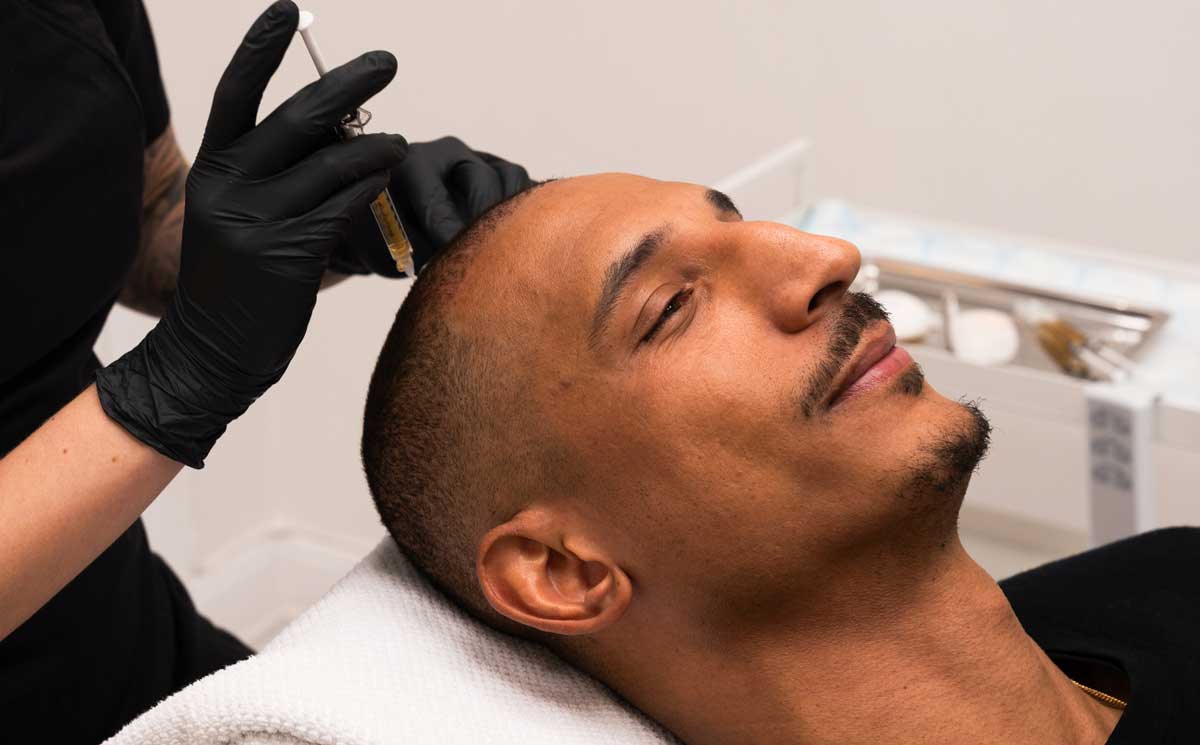
When hair loss is caused by DHT, there are several treatment options that can slow the progression and, in some cases, restore hair growth. PRP (Platelet-Rich Plasma) is a natural and non-surgical treatment in which the patient's own blood is centrifuged to isolate the growth factors in the plasma. Hair transplantation is a surgical option used when the hair follicles in certain areas have already stopped producing hair.
Here you can see the most common questions about testosterone and DHT

Yes, even women can be affected by DHT. Although testosterone levels are much lower in women than in men, a hypersensitivity to the substance can lead to female hair loss, especially in the form of diffuse thinning hair on the head. Hormonal changes such as PCOS can also increase DHT levels in women.
DHT can be stopped or reduced by the use of DHT blockers, such as drugs (e.g. finasteride) or natural supplements such as saw palmetto. Treatments such as PRP and the use of DHT-blocking shampoo can also help counteract DHT's impact on hair follicles. Lifestyle factors such as healthy eating and stress management can help keep DHT levels in balance.
Yes, saw palmetto is one of the best known natural DHT blockers and is widely used in dietary supplements against hair loss. Other natural alternatives include pumpkin seed oil, nettle extract, and green tea, which can help inhibit the enzyme 5-alpha reductase and thus reduce DHT levels in the body. The effect is milder than drugs such as finasteride, but can be an option for those who want to avoid side effects.
Testosterone is a sex hormone that controls muscle mass and sex development, among other things. Part of the testosterone is converted into dihydrotestosterone, which has a stronger biological effect and primarily affects the hair follicles. Increased sensitivity to this hormone can lead to hair loss in both men and women.

BOOK CONSULTATION
Free consultation — no obligation, just a first step towards understanding what's right for you. Choose the clinic that suits you best.