Losing hair or feeling like you're getting thin-haired can be both frustrating and worrisome. It is common for hair quality to change with age, but stress, diet, genetics and disease can also play a decisive role. Many people find that the hair becomes thinner, more lifeless and that the scalp becomes visible. It may feel like a lost battle, but there is help to be had.
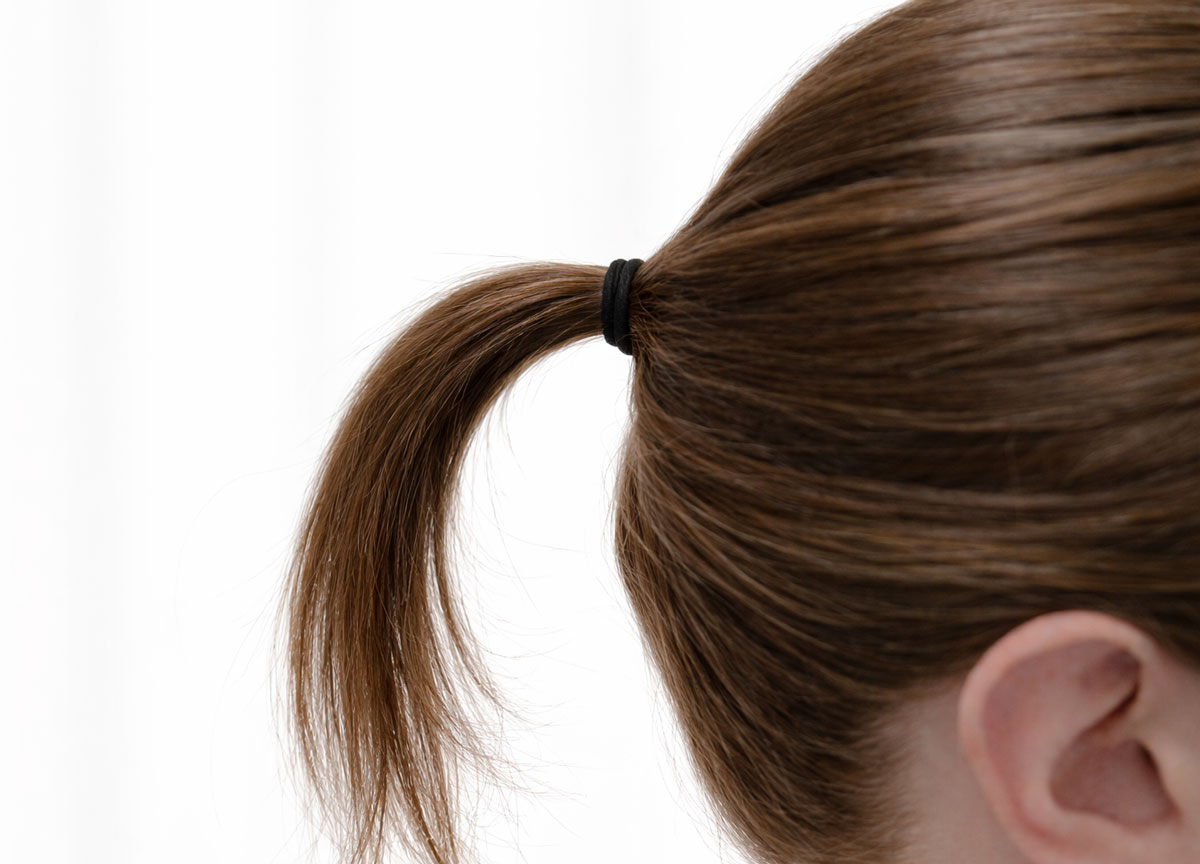
Having thin hair means that the hairs are either few in number per square centimeter, or that the individual hairs are finer than normal. So you can have a lot of hair that is thin, or few strands that are thick — but in both cases the hair is perceived as thin. Thin hair is not the same as being thin-haired, but it can be a precursor to thin-hairiness.
If you start lose hair and become thin-haired, the changes can come stealthily and look different from person to person. In some, it starts in the temples, while others notice that the hairline gradually creeps backward or that the whorl in the head becomes increasingly prominent. It can also mean that the hair feels thinner overall, loses volume or becomes more difficult to style as before.
Thinning hair is something that often happens gradually and can therefore be difficult to detect at the beginning. Many people notice the change only when the symptoms affect everyday life or daily hair care routine.
Common signs include:
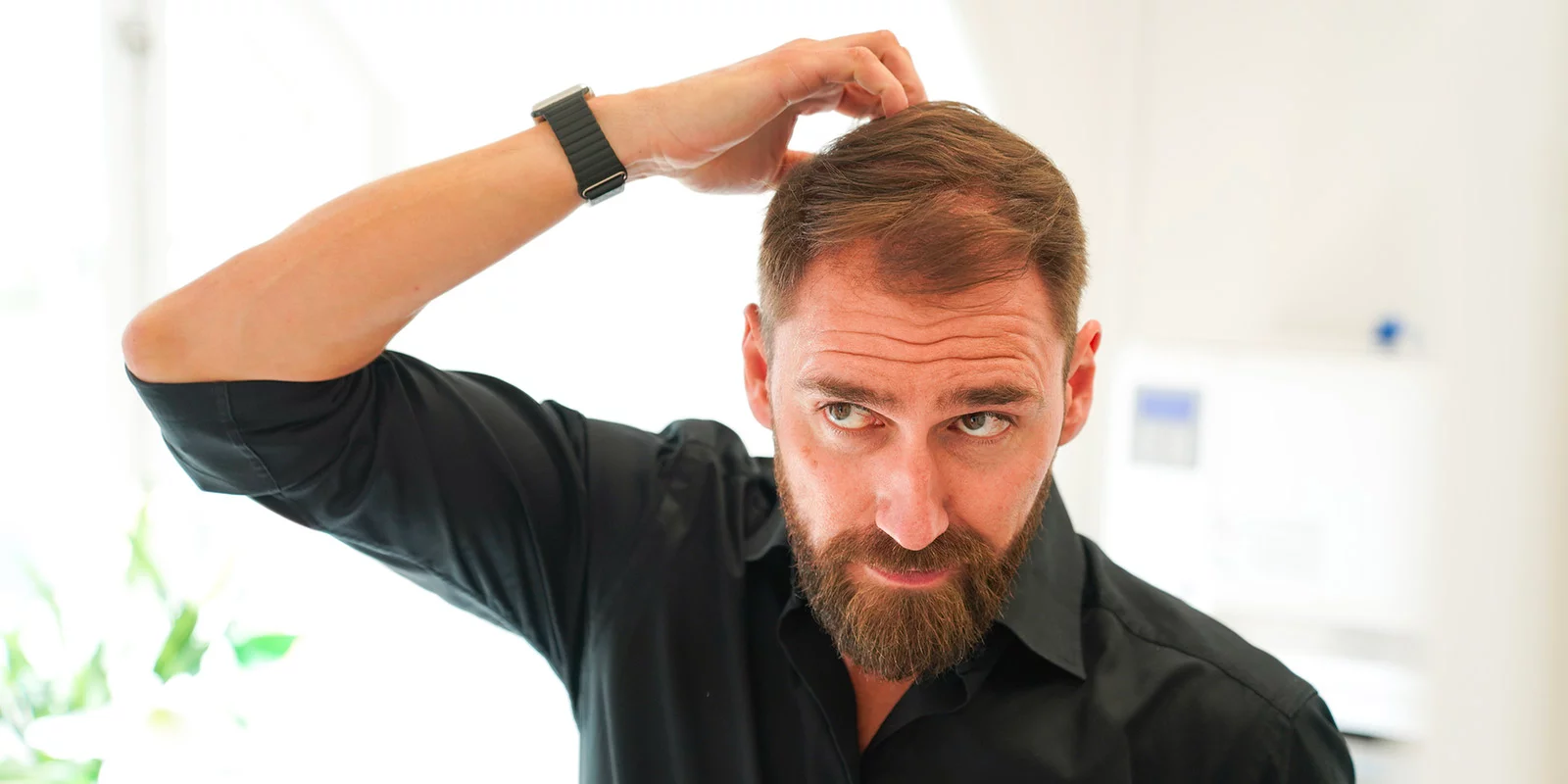
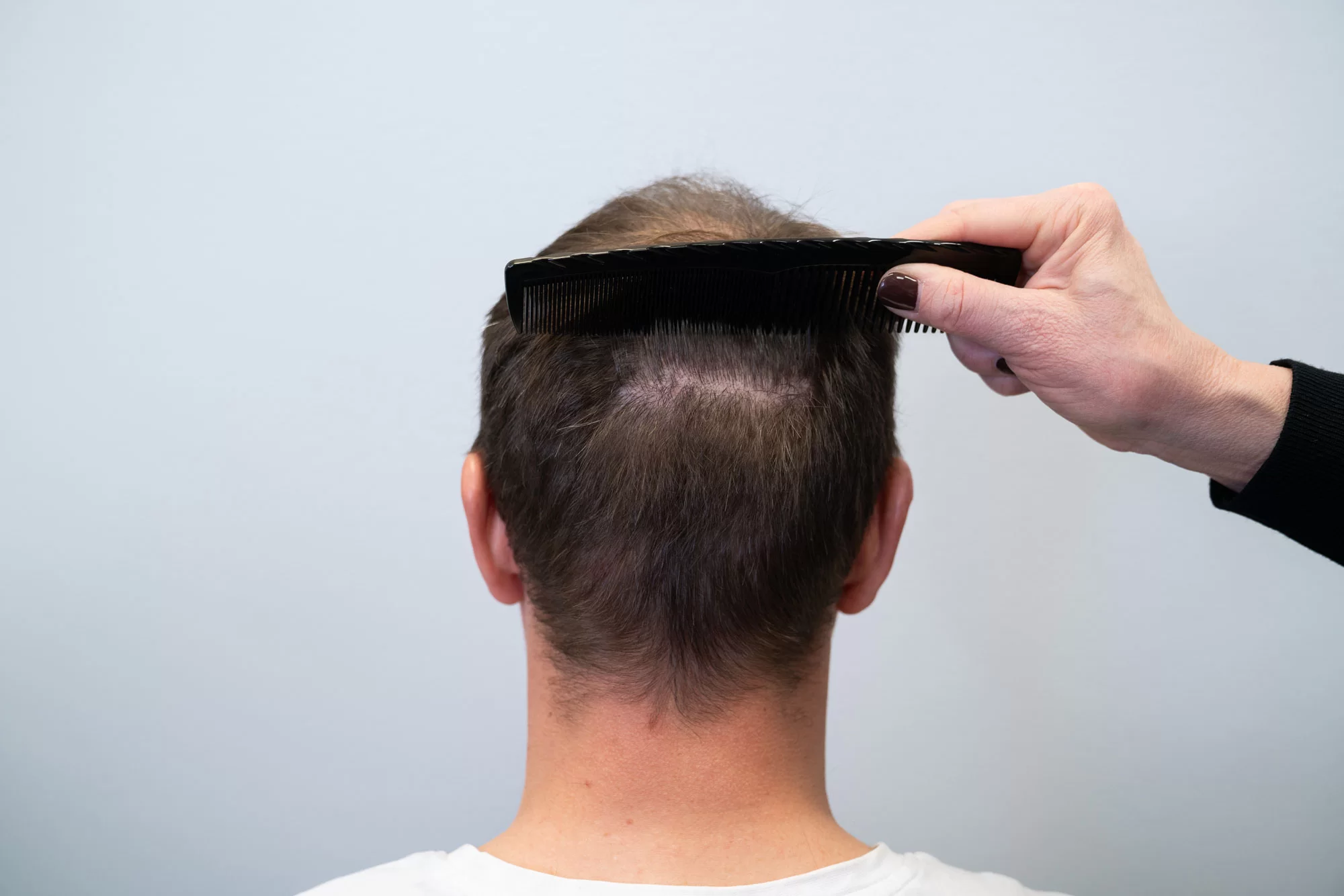
How to get thinner hair? Thin hair is very common and affects both men and women, but in different ways. In fact, up to 70% of all men experience some form of hair loss in their lifetime, while about 40% of all women notice thinning hair after the age of 40. There are many factors that can lead to thinning hair. Some of the most common are:
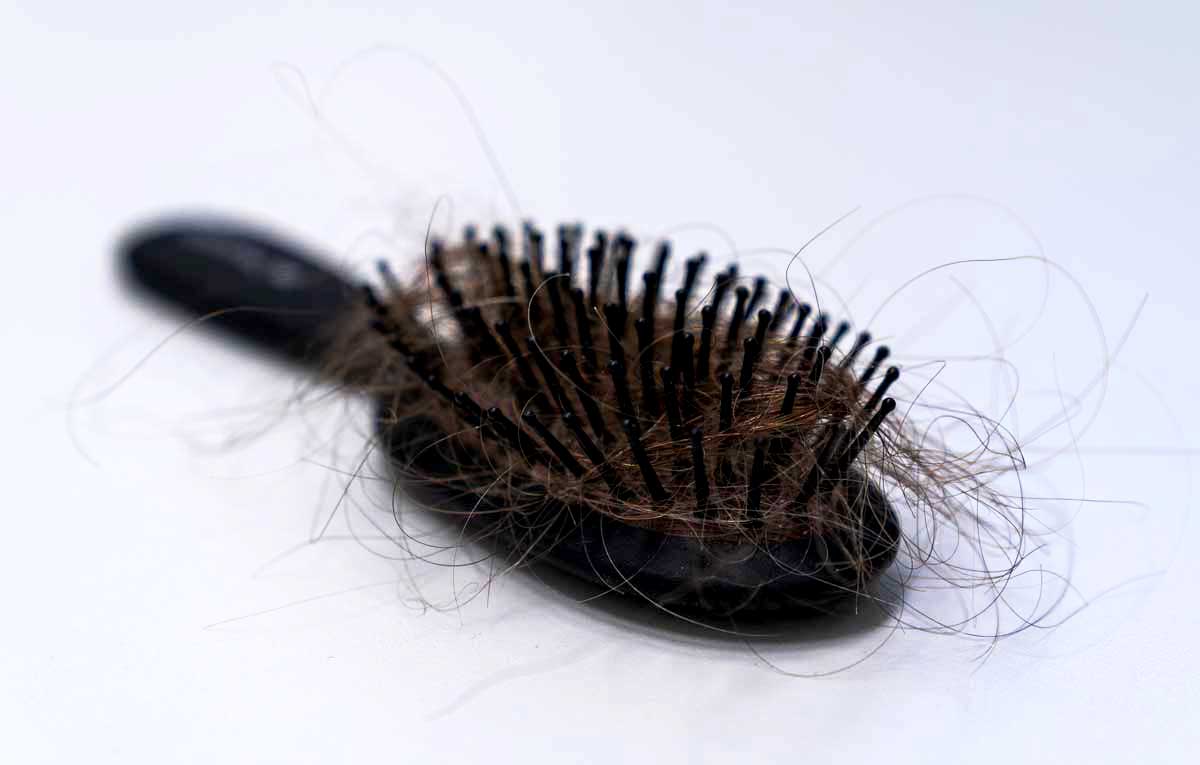
It is easy to confuse thin hair with hair that breaks off, but there are clear differences. Thin hair means that the hairs are thin from root to tip, which often makes the scalp more visible and the hair feels nicer.Hair that goes off, on the other hand, often looks uneven, especially at the tips. There may be short “baby hairs” in the wrong places and the hair is perceived as frizzy and worn. Often this is due to chemical or mechanical damage, such as excessive styling or the use of heating tools. If you are not sure what your problem is due to, a free hair analysis with us at Nordic Hair Clinic can help you determine whether it is thinness or wear.
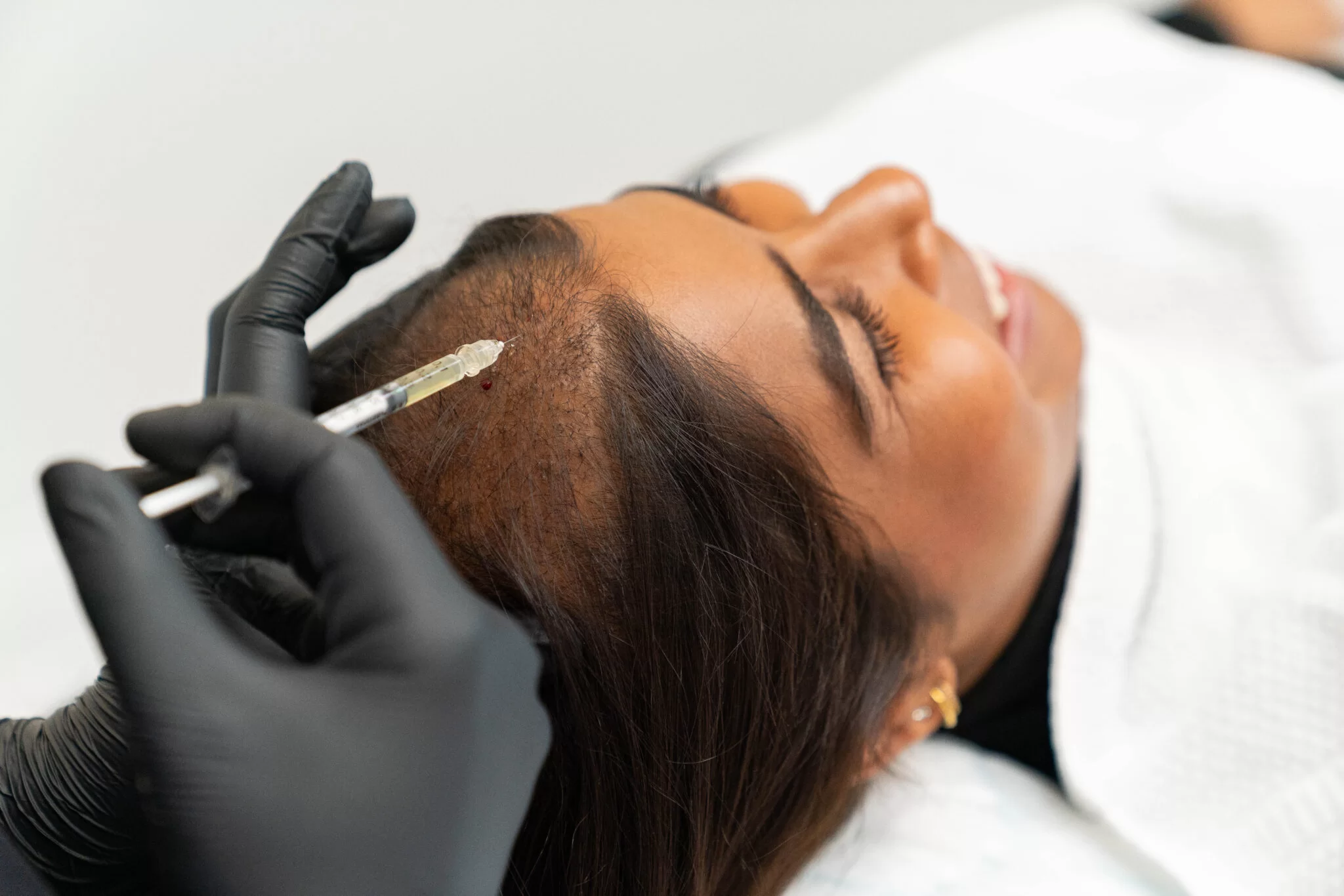
Can thin hair become thick again? There are several things you can do if you feel that you are losing a lot of hair. The right treatment can help to get more volume and thicker hair. What will help you the most depends on the reason why your hair has become thinner.

Whether you have thin hair for genetic reasons or as a result of wear and tear, there are things you can do yourself to improve the quality of your hair:

do you experience thin hair?
Free consultation — no obligation, just a first step towards understanding what's right for you. Choose the clinic that suits you best.