






Treatments for all gender identities
We are seeing that more and more people who are in the middle of their journey towards affirming their gender identity want to customize their hair in a way that really suits them. For many transgender people, hair growth can and hairline be an important part of feeling more comfortable in one's identity.
Here at Nordic Hair Clinic, we welcome all gender identities with a genuine understanding of the unique journey each one goes through.
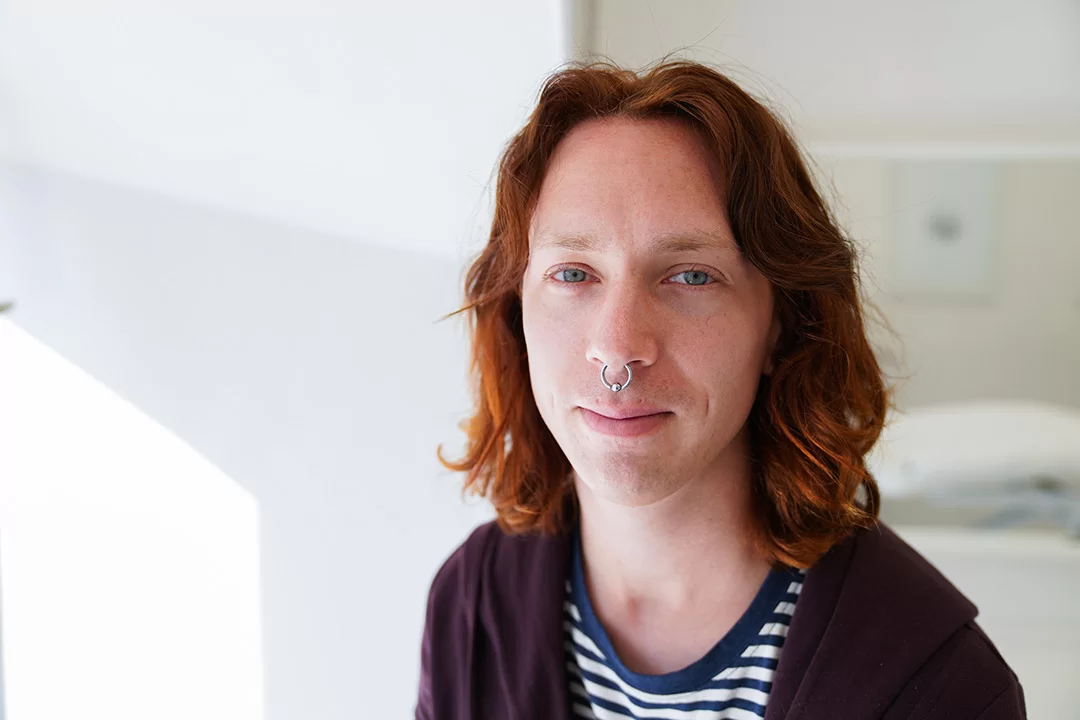
Tailor-made treatments
We listen to your needs and wishes and strive to create such a safe and welcoming environment where you can be yourself completely and truly.

Correct the hairline
For many, the hairline is an important part of the facial expression and gender-affirming journey. With the help of hair transplantation, we can soften, lower or reshape the hairline to create a more feminine or masculine look.

Beard transplant
Beard growth can be an important part of a masculine expression and a gender-affirming process. With beard transplantation, we can create, strengthen or smooth the beard growth in a natural way, adapted to your face shape and identity.


You who have undergone a gender-affirming treatment
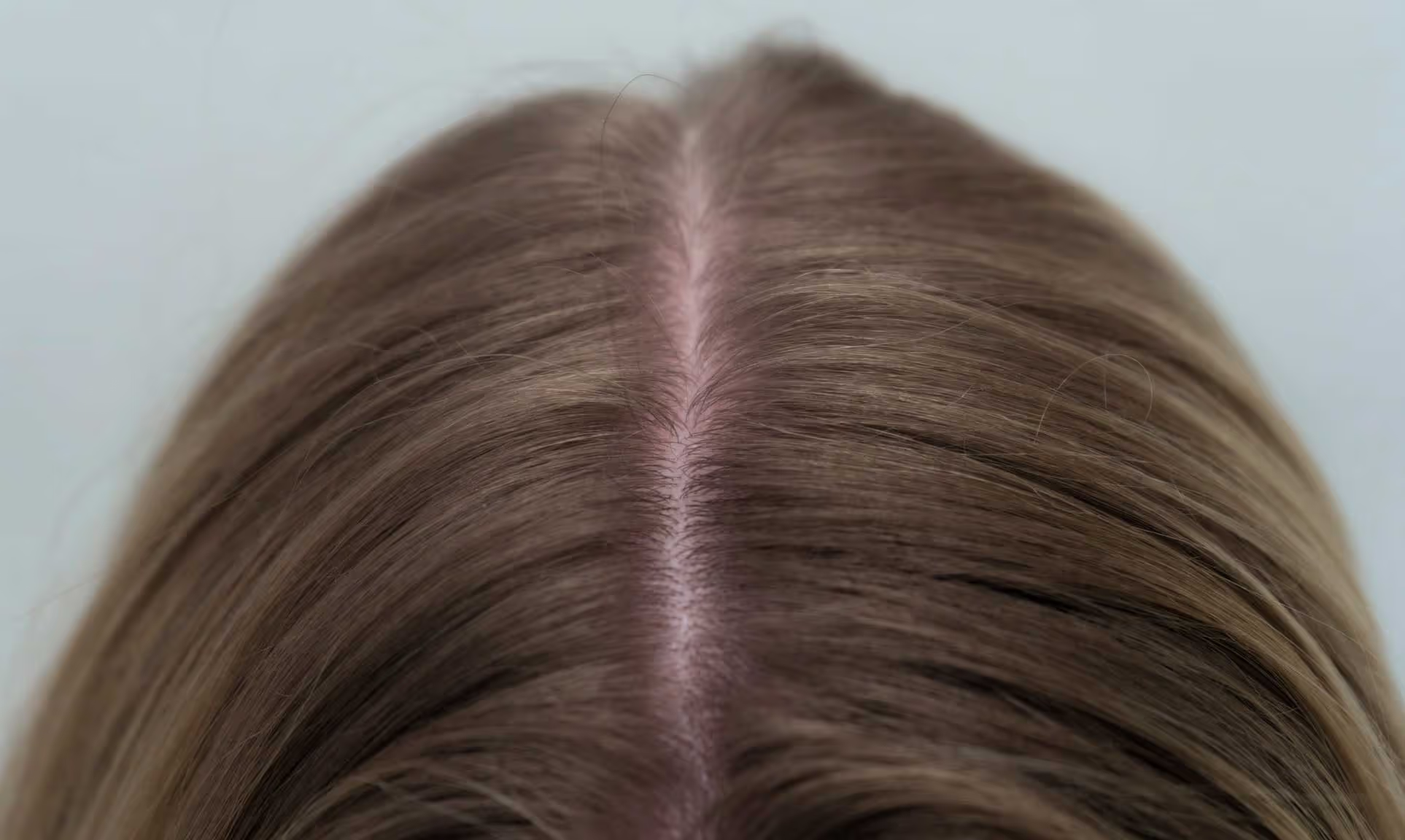
HRT and hair loss
Hormonal replacement therapy (HRT) can affect hair growth in different ways.
Trans women (MTF) can slow hair loss and get some regrowth with estrogen and antiandrogens.
Trans men (FTM) can develop hereditary hair loss on testosterone therapy because testosterone is converted to DHT, which can weaken hair follicles. Minoxidil or PRP can help preserve hair.

DHT blockers and feminization
DHT blockers such as finasteride can brake hair loss and reduce body and facial hair. Because DHT is important for beard growth and body hair, DHT blockers can inhibit these effects of testosterone therapy. However, they can help against hereditary hair loss. We at Nordic Hair Clinic are unfortunately unable to prescribe Finasteride if you are undergoing gender-confirmation treatment, as it may affect your hormone therapy

Minoxidil for beard growth
Minoxidil can stimulate beard growth by increasing blood flow to the hair follicles. For trans men (FTM), it can be a supplement to testosterone to accelerate and improve beard growth.
For best effect, we recommend using a dermaroller in combination with minoxidil.

Frågor och svar
Can finasteride be used by trans men?

Trans men can use Finasteride in some cases. However, because Finasteride affects the hormones, it can interfere with any hormone therapy. Therefore, talk to your doctor if you want to start treatment with Finasteride. Unfortunately, Nordic Hair Clinic cannot prescribe Finasteride for transgender people.
Can finasteride be used by trans women?
Trans women can use Finasteride in some cases. However, because Finasteride affects the hormones, it can interfere with any hormone therapy. Therefore, talk to your doctor if you want to start treatment with Finasteride. Unfortunately, Nordic Hair Clinic cannot prescribe Finasteride for transgender people.
Can I do a hair transplant if I am on hormone therapy?
For those who take estrogen, hormonal changes can affect the growth and quality of hair. It is therefore important to stabilize hormone levels before a transplant to optimize the outcome.For those who take testosterone, DHT levels can increase, which can lead to androgenetic hair loss. A transplant can still be done, but it may be good to combine it with, for example, finasteride or PRP to preserve the transplanted hair.Talk to your treating doctor if you want to have a hair transplant and then book a free consultation with us at Nordic Hair Clinic
Can PRP help with hormonal hair loss?
For those who experience hair loss during testosterone treatment, PRP can strengthen hair follicles and slow down the process. For those taking estrogen and antiandrogens, PRP may contribute to improved hair quality and possibly promote some regrowth. Results vary, but the treatment can be a complement to other hair treatments.
How can I be sure I choose a clinic that respects and understands my gender identity?
We at Nordic Hair Clinic understand that your hair is an important part of your identity and self-esteem, and we are happy to join you on a journey of tailoring a treatment that suits you. Our previous clients with different gender identities have had amazing experiences with our treatments and we are proud to share their journey with us.
How do hormone treatments affect my hair growth and the outcome of a hair transplant?
If you take testosterone, you may experience the same kind of hair loss that affects men. The male hormones can alter your appearance, including your hairline. This is because the body converts testosterone into DHT, which is considered a main factor to male hair loss.However, if one takes estrogen, changes in hormone levels can counteract the effect of DHT, which can help slow down hair loss.With a hair transplant using the FUE method, we take hair follicles from, for example, the neck, which is an area that is not as prone to hair loss, making the intervention permanently closed.
Why don't you guys prescribe Finasteride to transgender people?
In most cases, transgender people have undergone or are undergoing some type of hormone therapy to confirm their identity. Finasteride works by blocking the hormone DHT and we cannot guarantee that Finasteride will not interfere with a trans person's ongoing or already completed hormone therapy. We refer instead to consulting your treating doctor if Finasteride is a good idea for you.

BOOK CONSULTATION
Your Hair Journey Begins With a Conversation
Free consultation — no obligation, just a first step towards understanding what's right for you. Choose the clinic that suits you best.