Hair loss can be one of the first signs that something is not right with the thyroid gland. When the gland works too slowly (hypothyroidism) or too fast (hyperthyroidism), the body's metabolism — and thus also the function of the hair follicles — is affected. It can cause the hair to thin out, lose its strength or fall off in larger amounts than normal.
We help women like her restore their hair, whether it's due to thyroid disorders, hormonal changes or other causes. Our expertise in hair transplantation gives them the chance to regain their hair and their confidence.
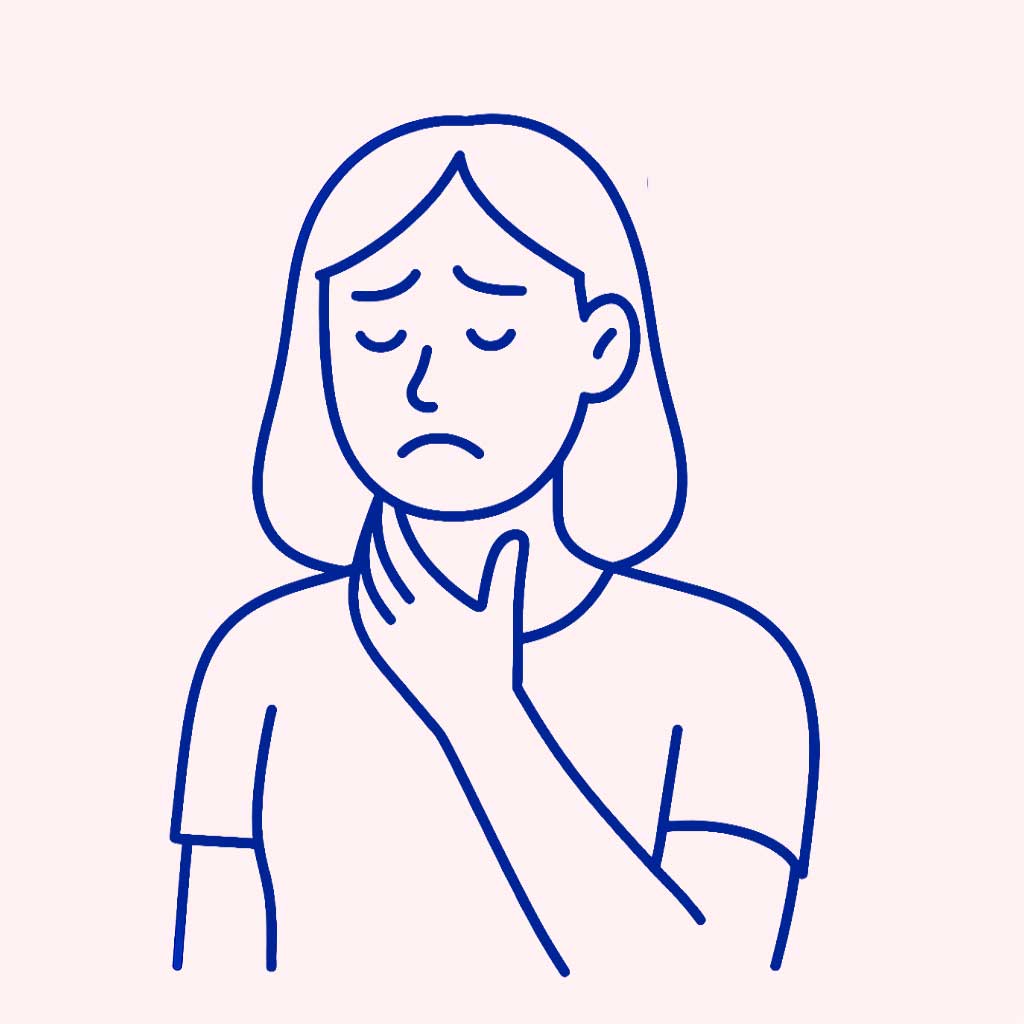
Can the thyroid gland cause hair loss in women? Hyperthyroidism means that the thyroid gland produces too much of the hormones T3 and T4, creating a hormonal imbalance in the body. One of the most common consequences is hair loss, when the natural growth cycle of hair follicles is disrupted. A common sign of hyperthyroidism is low levels of TSH levels in the blood. Symptoms of low TSH can include rapid heart rate, worry, weight loss, and just increased hair loss.
Three main methods of treatment in hyperthyroidism:
Depending on the treatment you have received, it may be necessary to take levothyroxine (thyroid hormone in tablet form) for the rest of your life, especially if the entire thyroid gland has been surgically removed or destroyed by radioactive iodine.
Regular blood tests are needed to monitor TSH, T3 and T4, so that the hormonal balance is kept stable and any dose adjustment can be made in time.

Hypothyroidism is the most common form of thyroid problems and means that the thyroid gland produces too little of the important hormones T3 and T4. These hormones regulate metabolism, that is, the body's ability to convert food into energy. When hormone production decreases, metabolism slows down, affecting numerous functions in the body, including hair growth.
Hypothyroidism is treated with drugs that replace the deficient hormone production. The most commonly used drug is levothyroxine, a synthetic thyroid hormone that helps restore the body's hormonal balance. Most people who receive treatment need to take the drug for life, but they feel fine once hormone levels have stabilized. Treatment is usually started with a low dose, which is then adjusted incrementally. Most people experience improvement within a few weeks, but it can take longer for the body to find a stable balance. In some cases, it takes up to a year before the symptoms completely disappear.
Yes, although it is unusual. If hypothyroidism remains untreated for a long time, in rare cases it can lead to serious symptoms such as low heart rate, lowered body temperature and mental fatigue or confusion. This condition requires hospitalization but is uncommon, as most people seek help in a timely manner and receive effective treatment.


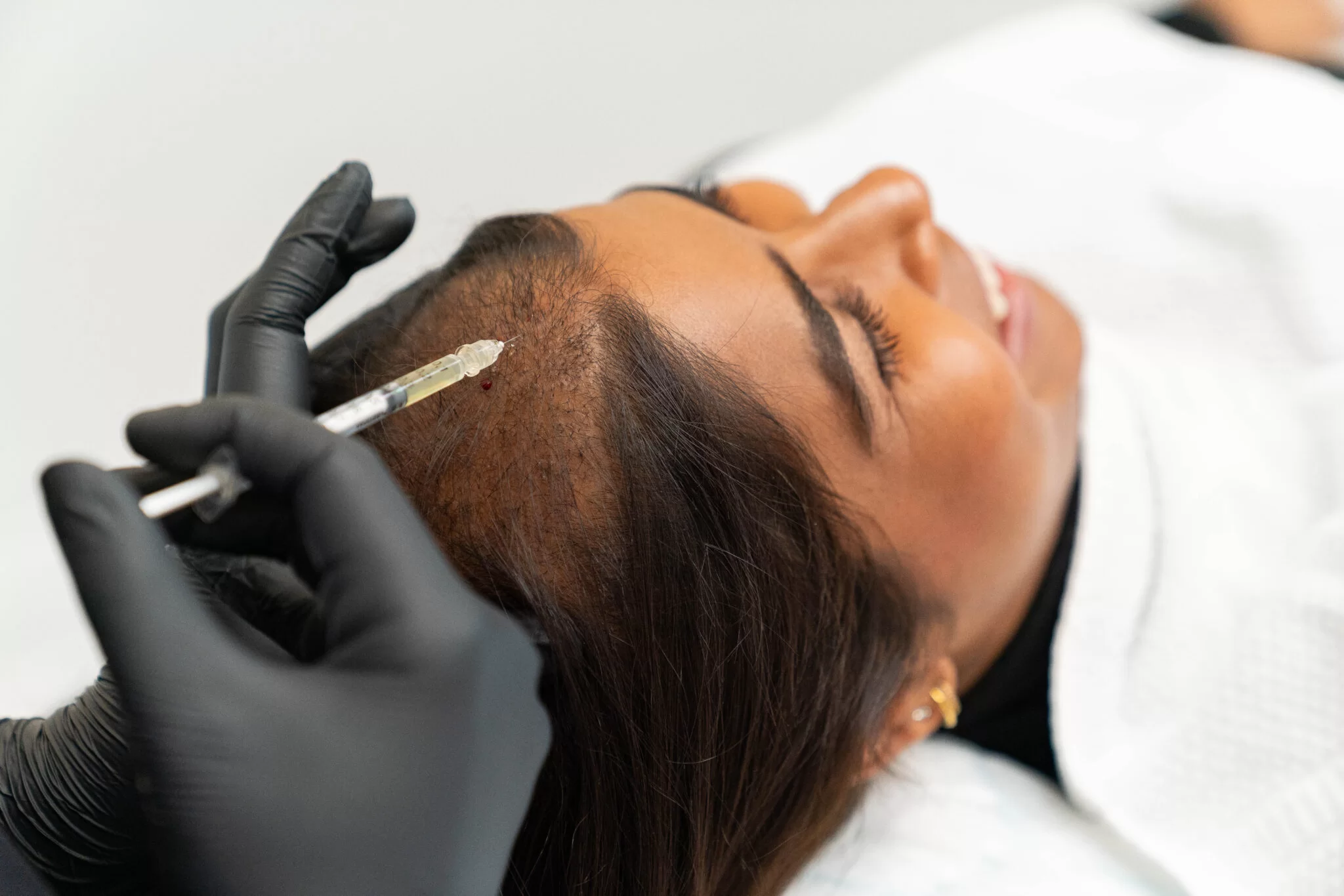
How to stop hair loss from thyroid gland? Hair loss is a common symptom in thyroid disorders, especially in women. Fatigue, weight changes and hair loss are typical signs in both hypothyroidism and hyperthyroidism. In order to be able to treat hair loss effectively, it is important that the thyroid disease is properly diagnosed and medically treated.
Those who have the right medication for their thyroid problems before starting PRP treatment have often received very promising results.
If you have a major malfunction of the thyroid gland, PRP for hair is not recommended until you have received the right treatment for the disease. This is for you to get an optimal result and help with your hair loss. In severe cases of thyroid disorders, PRP will not be as effective against hair loss. It may help to a certain extent but the predominant factor, that you lose hair through the thyroid gland, will outweigh the positive effect that PRP produces.

BOOK CONSULTATION
You are not alone. Come to us and we will help you with knowledge, care and the right treatment.