






Where is the donation area?
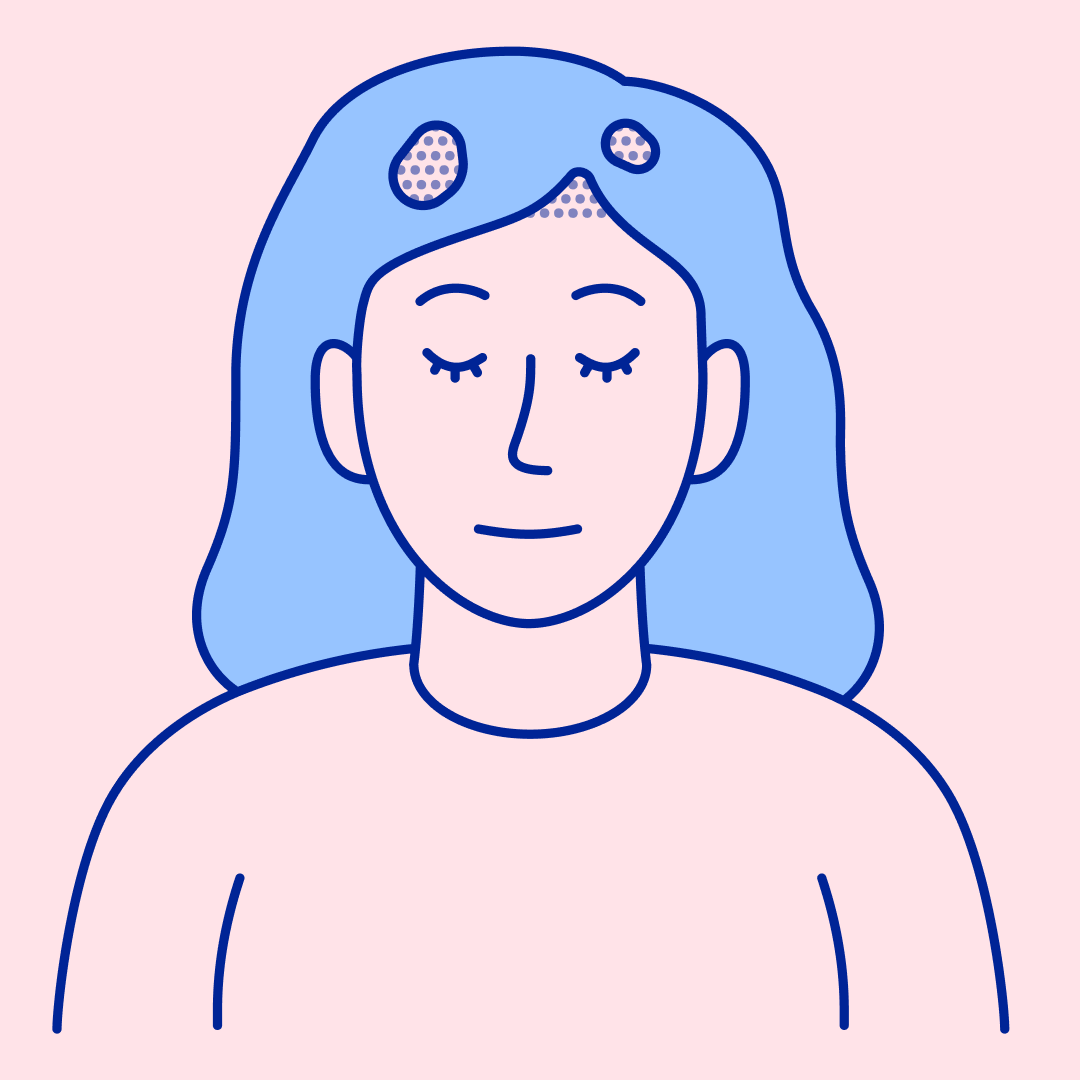
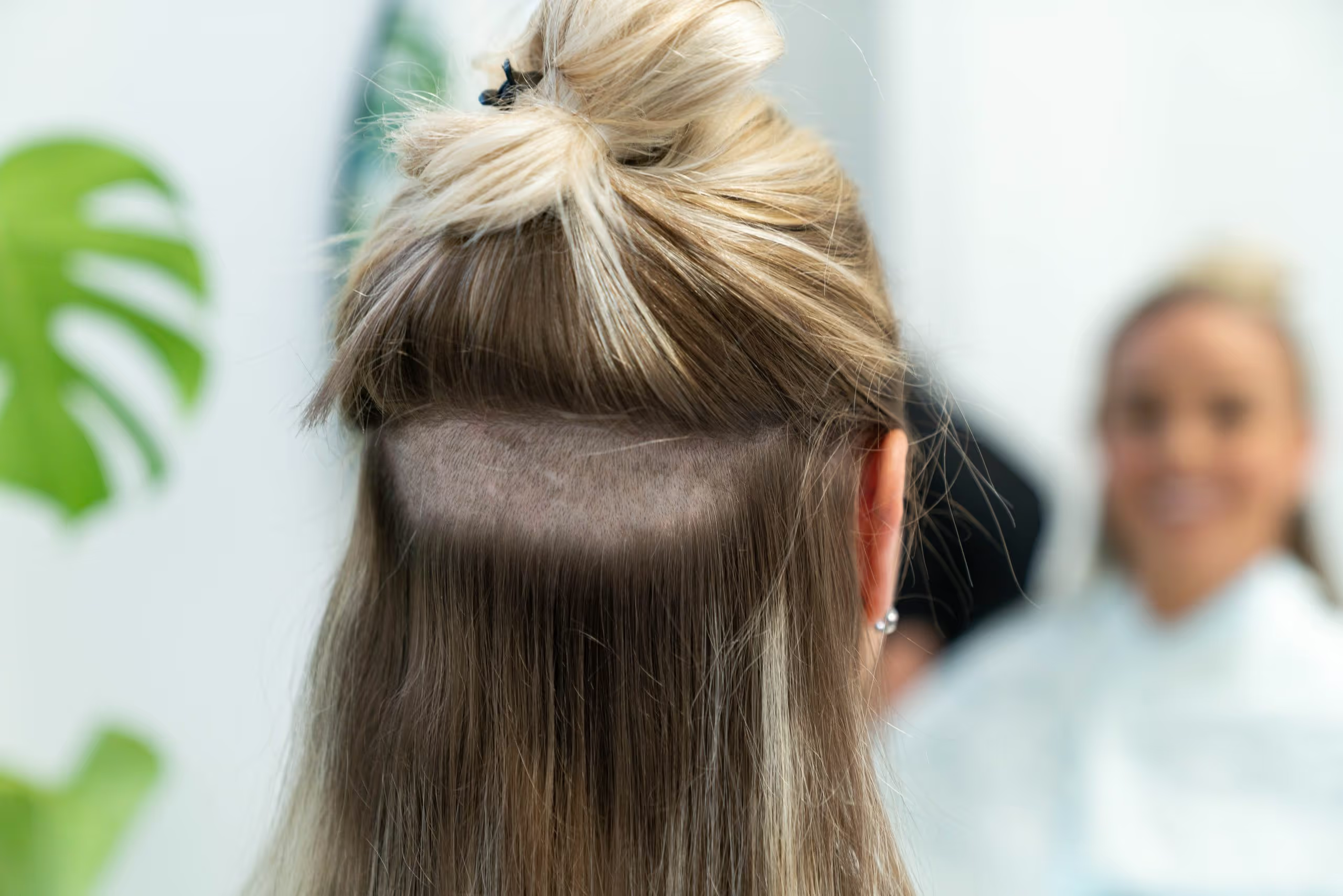
For most people, it sits in the back of the head, at the neck. Here, the hairs are extra durable and unaffected by the genetic code that causes hair on the head to fall off over time. But sometimes other parts of the body can also be valuable sources -- such as the breast -- where the hairs have the same resistance to hereditary hair loss.
Why is it so important to choose the right area?
A successful Hair Transplant begins with a careful assessment of the area of donation. It's not just about finding hair that can be moved, it's about choosing hair that will thrive in its new location and keep growing. If the donation area is already thin, it can lead to visible sparseness afterwards. In such cases, it may be wise to adjust the method or consider other options.
What can the donation area look like after?
The hair follicles extracted from the neck do not grow back.
When we move a hair follicle, that hair follicle grows firmly in the newly transplanted area. Therefore, we usually take hair from a larger portion of the neck to make the donation area less noticeable. Are you, however, very thin-haired from the beginning, the hair on the back of the neck may feel thinner, especially when you have a short haircut.
If you're considering a hair transplant, it's a good idea to start by having a specialist assess your donation area. With us, we offer free consultations where we can give you a clear picture of your possibilities and what results you can expect.

